Voice
Always
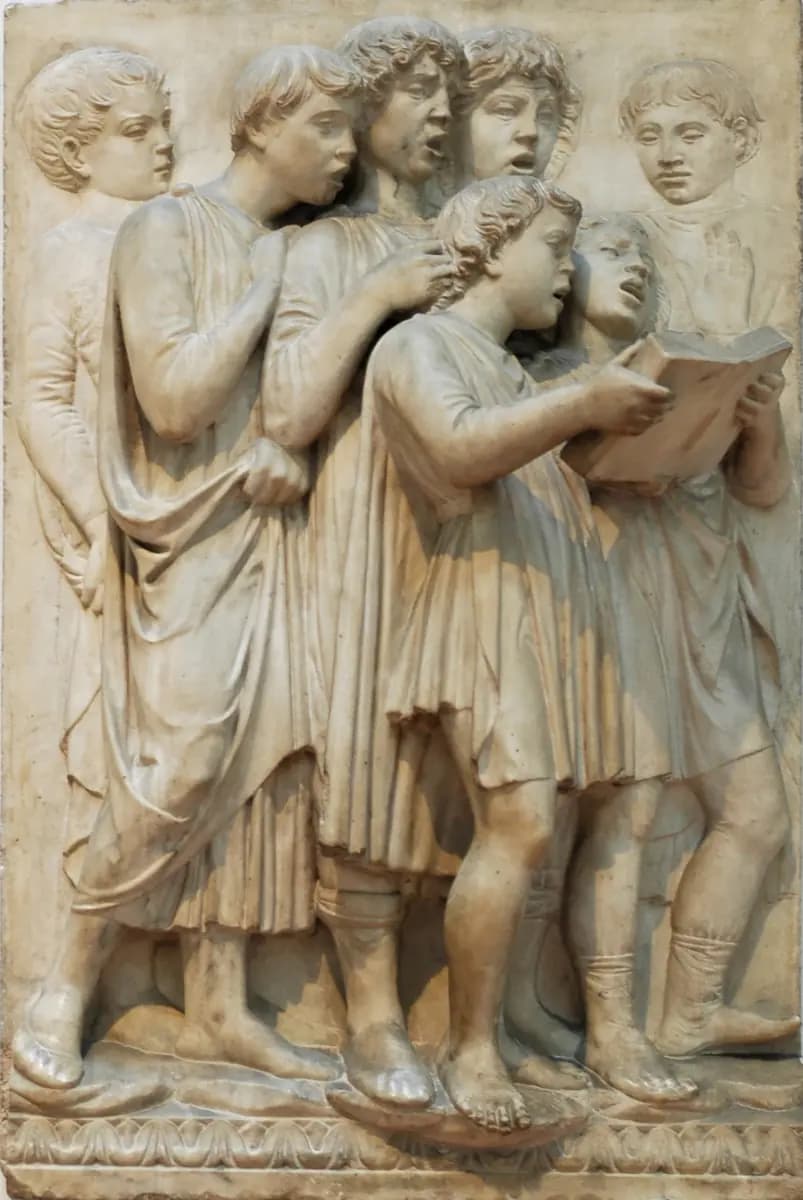
The voice is the oldest instrument and the only one everybody carries. Almost all Western music began as song, and the voice remains at the centre of opera, choral music and song.
Works for voiceHow it works
Air from the lungs sets the vocal folds in the larynx vibrating, and the throat, mouth and nose shape and amplify the sound. Classical singing trains breathing and the space inside to project the voice over an orchestra without a microphone. Voices are grouped by range and colour: soprano, mezzo-soprano and contralto among women; tenor, baritone and bass among men.
The story
Gregorian chant, Renaissance polyphony and the madrigal were written for voices, often with no instruments at all. With opera, around 1600, came the solo singer and techniques to sing louder, longer and with more agility.
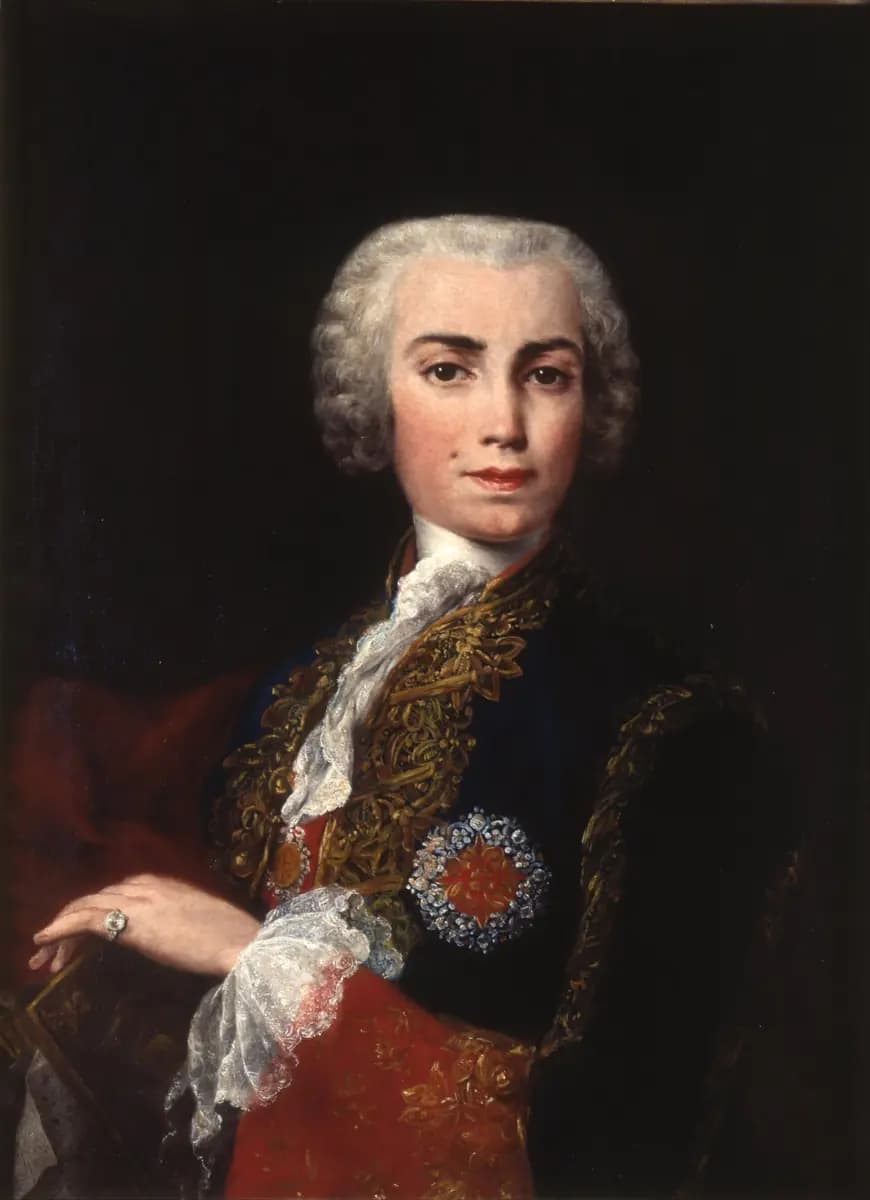
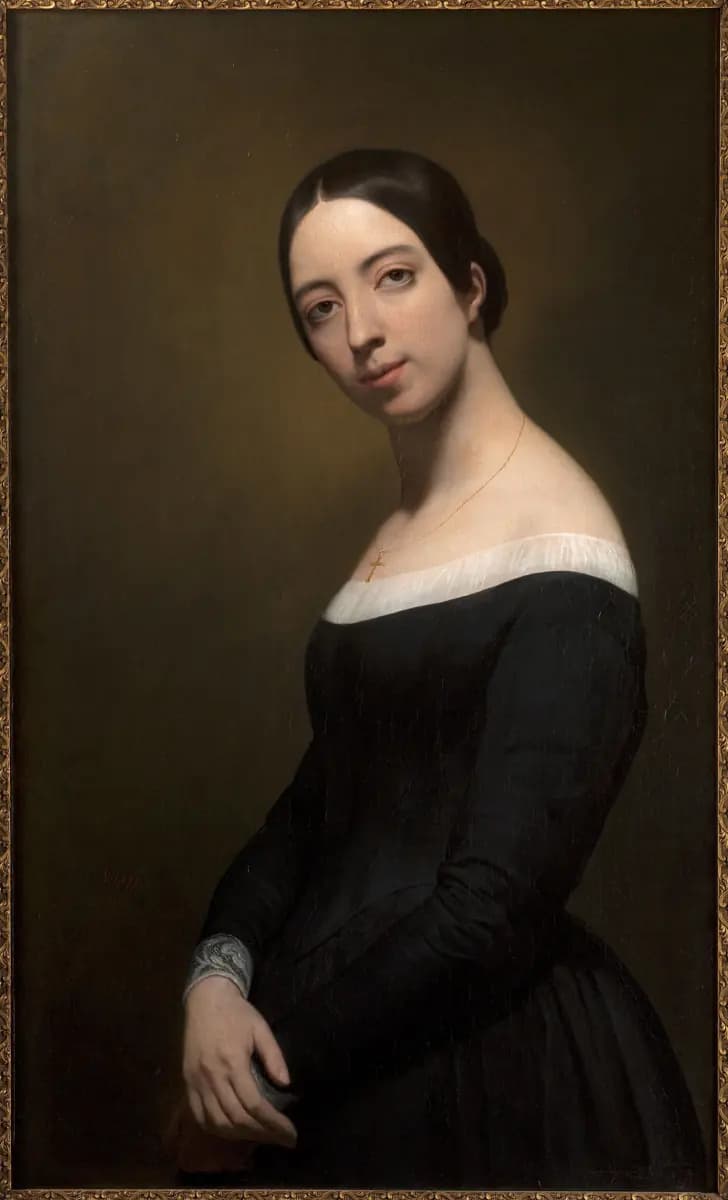
In the seventeenth and eighteenth centuries the castrati, singers castrated as boys to keep their high voices, were the great stars of opera, Farinelli among them. In the nineteenth century the Italian bel canto of Rossini, Bellini and Donizetti prized beauty of tone and agility, and Verdi and Wagner demanded more powerful voices. At the same time Schubert and Schumann created the art song for voice and piano.
In the twentieth century the voice explored new paths, from Schoenberg’s half-spoken singing to extended techniques. The early-music movement brought back the countertenor, a man singing in the high register, and small vocal groups revived the medieval and Renaissance repertoire.
Voices are classified by range and by color. For women, soprano, mezzo-soprano and contralto; for men, tenor, baritone and bass. Within each type there are light, agile voices and heavy, dramatic ones, and a single singer rarely sings every role.
In Brazil, art song flourished in the twentieth century with the Aria of Villa-Lobos’s Bachianas No. 5 and the songs of Francisco Mignone and Camargo Guarnieri. The soprano Bidu Sayão carried opera and Brazilian song to stages such as the Metropolitan Opera in New York.
What was written for it
Renaissance Masses and motets, operas from Monteverdi to Puccini, oratorios by Bach and Handel, Lieder by Schubert, Schumann and Brahms, songs by Fauré and Debussy. In Brazil, the art songs of Villa-Lobos, Camargo Guarnieri and Francisco Mignone.
In pictures
Where to start listening
- 1The Magic Flute: Der Hölle RacheWolfgang Amadeus MozartThe Queen of the Night’s aria climbs to a stratospheric high F. Open the work
- 2Turandot: Nessun dormaGiacomo PucciniThe most famous tenor aria in the world. Open the work
- 3Carmen: HabaneraGeorges BizetA seductive mezzo-soprano over a Cuban dance rhythm. Open the work
- 4Bachianas Brasileiras No. 5: AriaHeitor Villa-LobosThe soprano sings without words over eight cellos. Open the work
Did you know?
- For about ten years Farinelli sang the same four songs every night for King Philip V of Spain, who suffered from depression.
- The Queen of the Night’s aria was written for Mozart’s sister-in-law, Josepha Hofer, whose high range was exceptional.