Fifteen hundred years of music
From Gregorian chant to the composers of today, in seven eras. Each chapter tells what changed, how the music sounds and where to start listening.
Start with the Middle Ages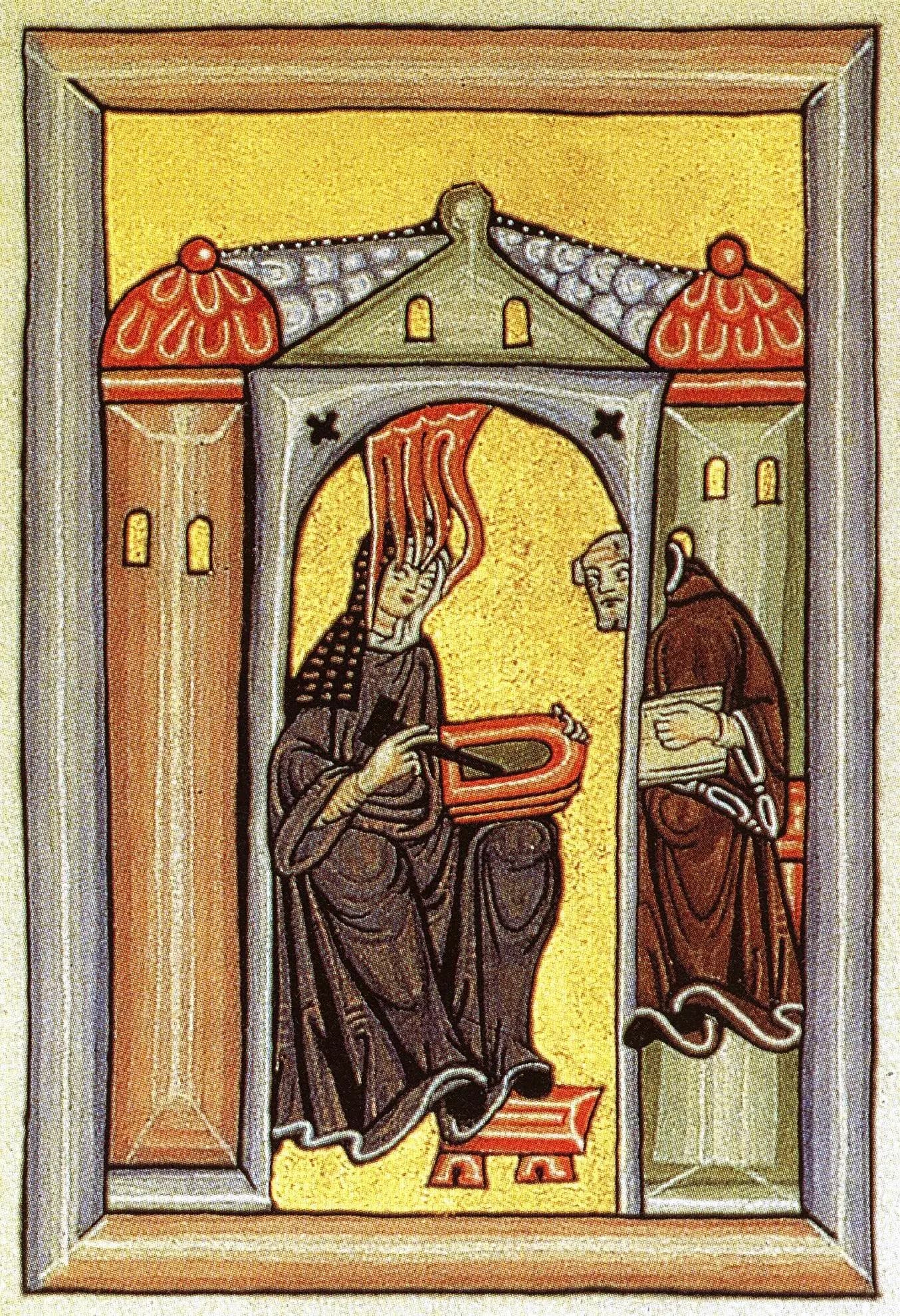 500–1400MedievalAlmost all the medieval music we know was sung in churches and monasteries, because they were the ones who could write music down. Over nearly a thousand years, a single melody in Latin became two, three, then four voices at once.Read the chapter
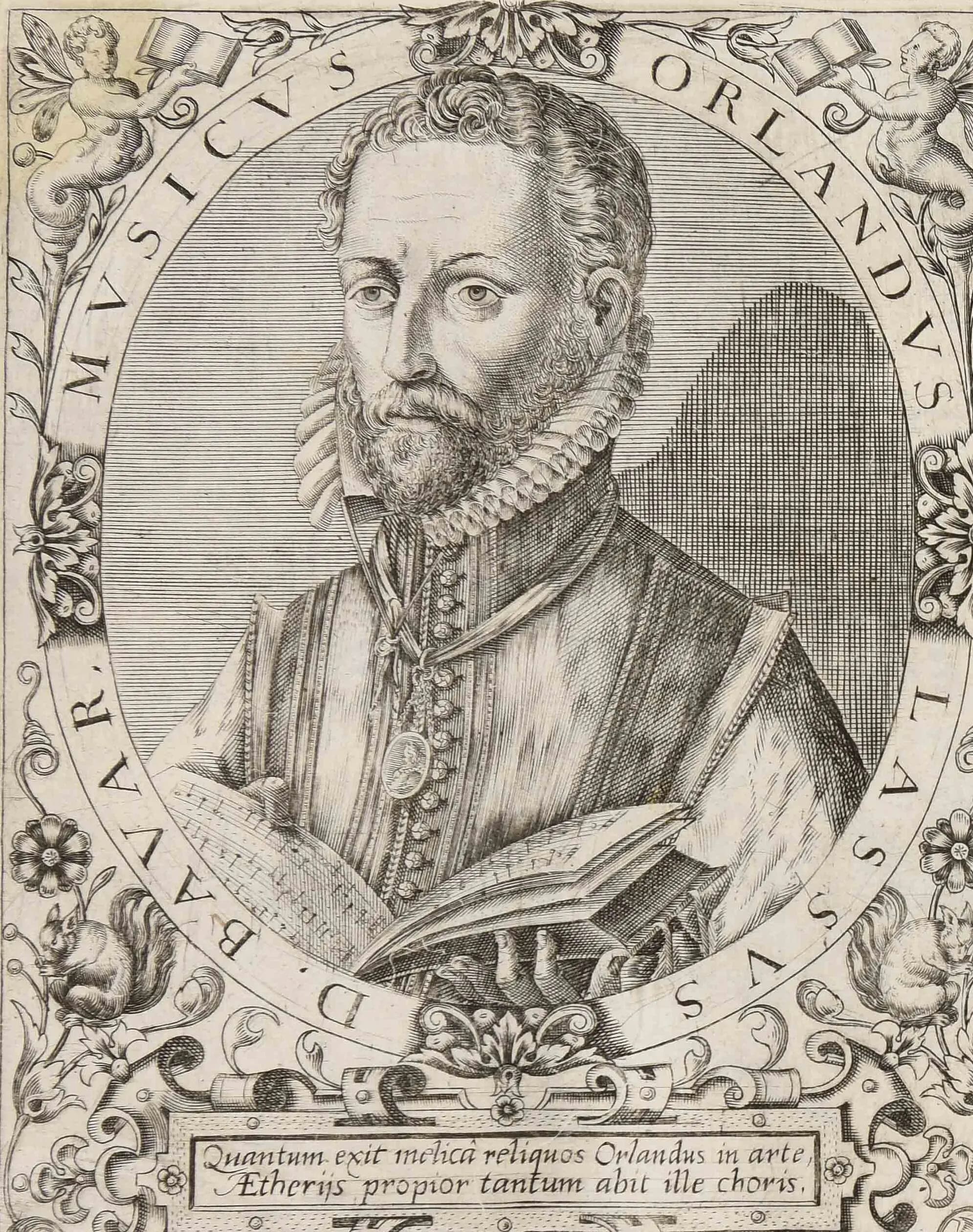 1400–1600RenaissanceIn the Renaissance, the voices became equals and started to converse, imitating one another. Printing carried music to people who had never set foot in a cathedral.Read the chapter
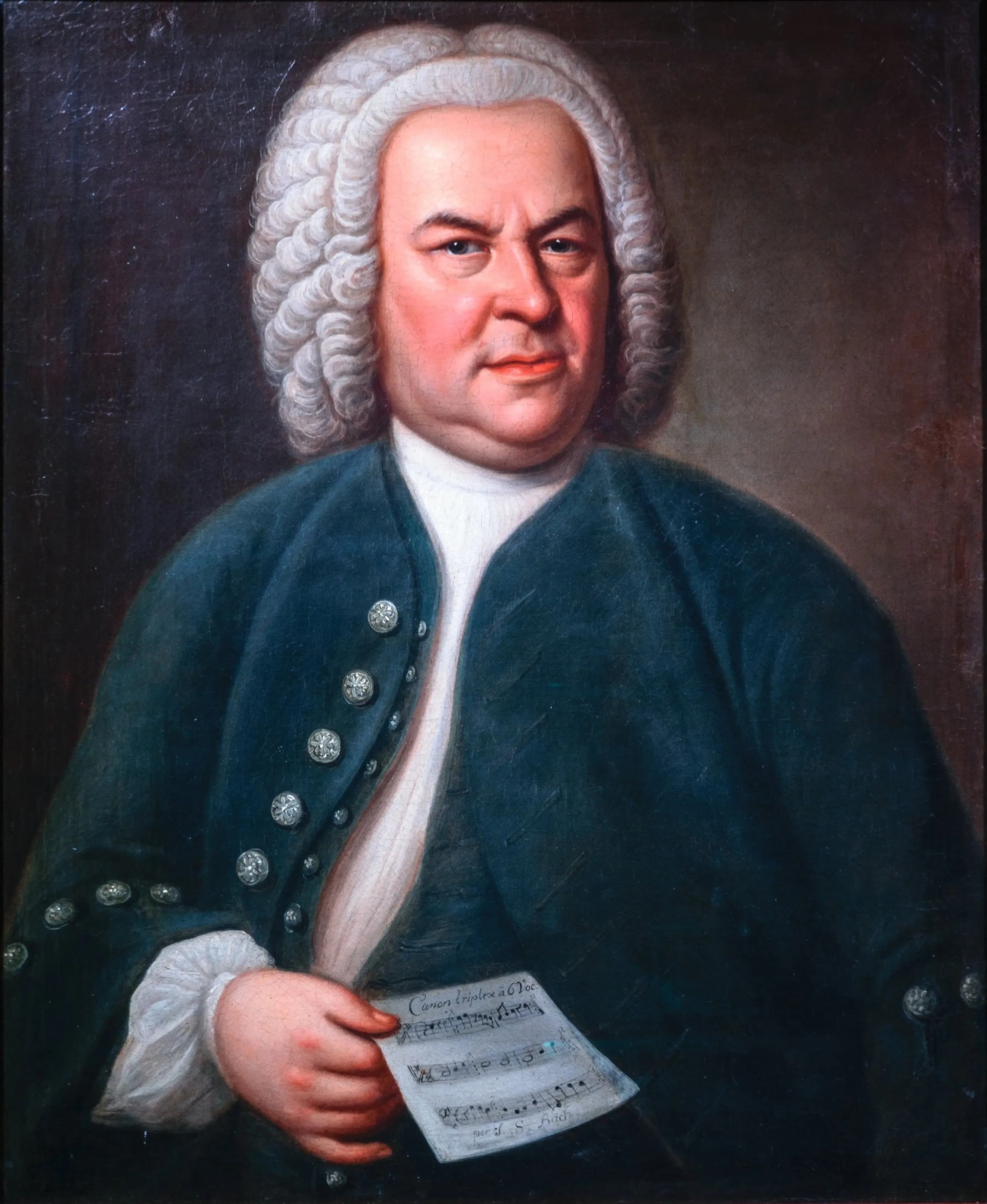 1600–1750BaroqueAround 1600, in Florence, a few musicians wanted music to serve drama. Out of that came opera, the basso continuo and a language of contrasts that runs until Bach’s death in 1750.Read the chapter
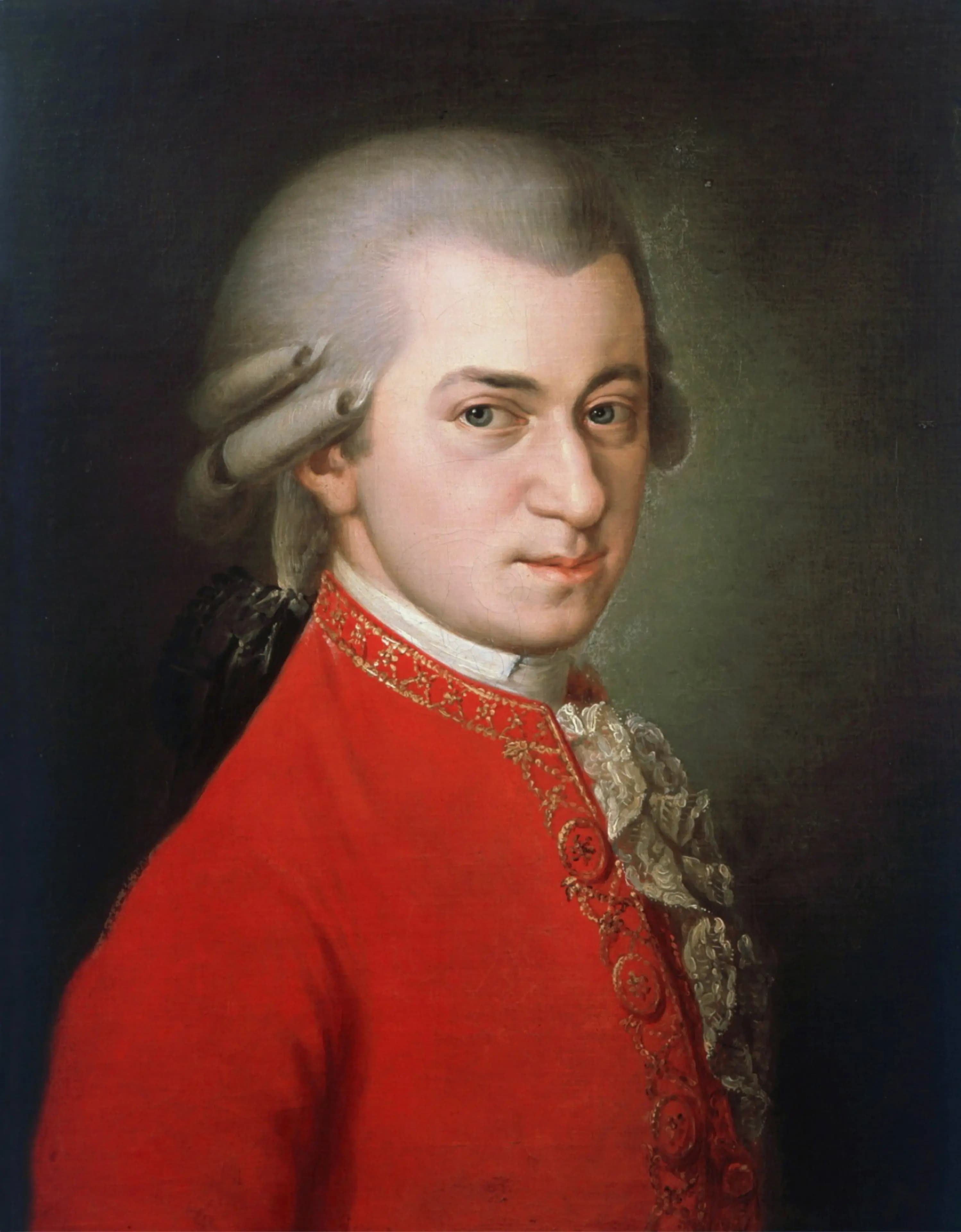 1750–1820ClassicalBetween 1750 and 1820, music aimed for clarity: tunes you can hum, balanced phrases and forms a listener can follow without effort. It was the time of Haydn, Mozart and the young Beethoven, in Vienna.Read the chapter
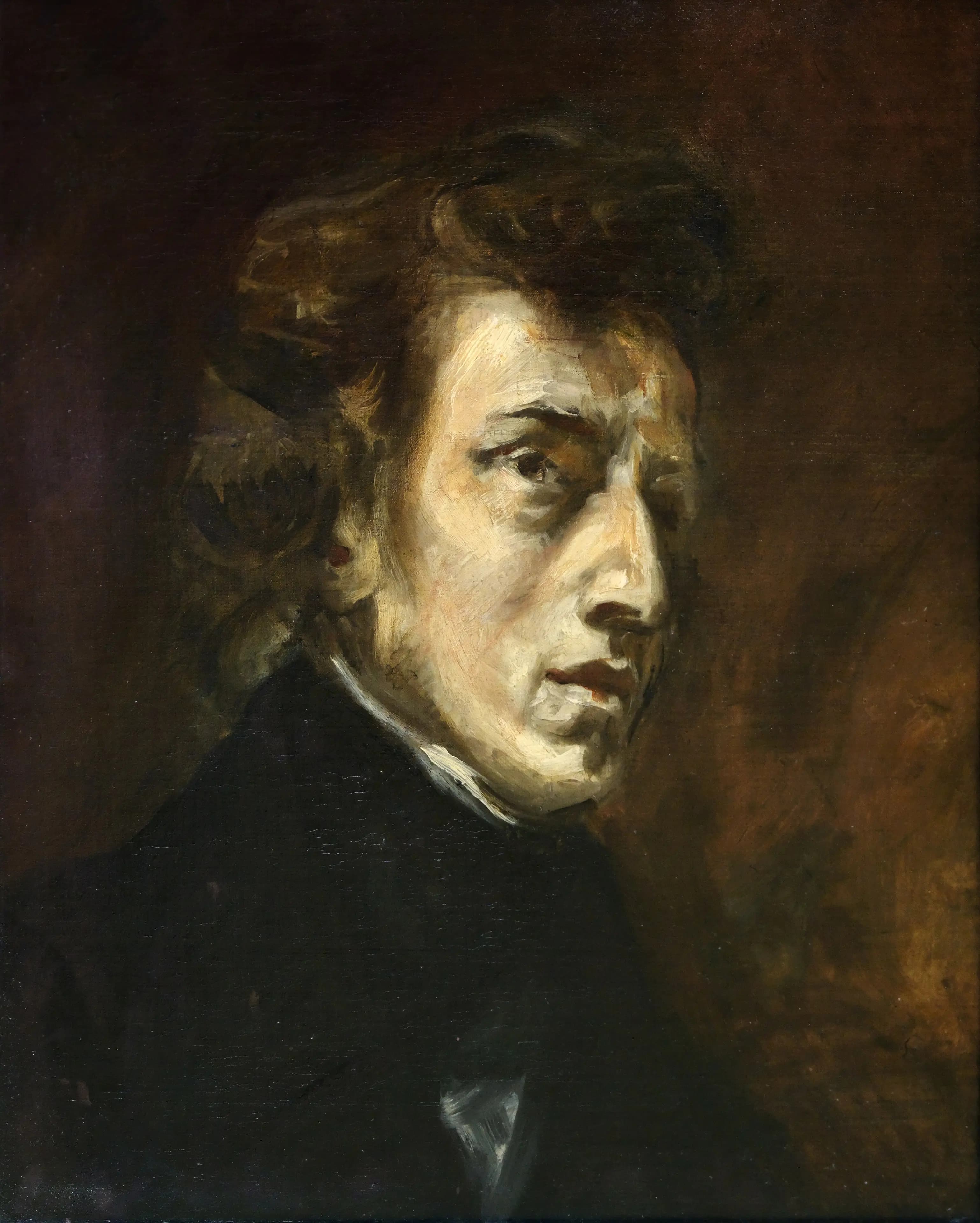 1820–1900RomanticIn the nineteenth century, music began to speak for the individual: passion, nature, longing, homeland. Orchestras grew, the piano became the heart of the home and the virtuoso became a celebrity.Read the chapter
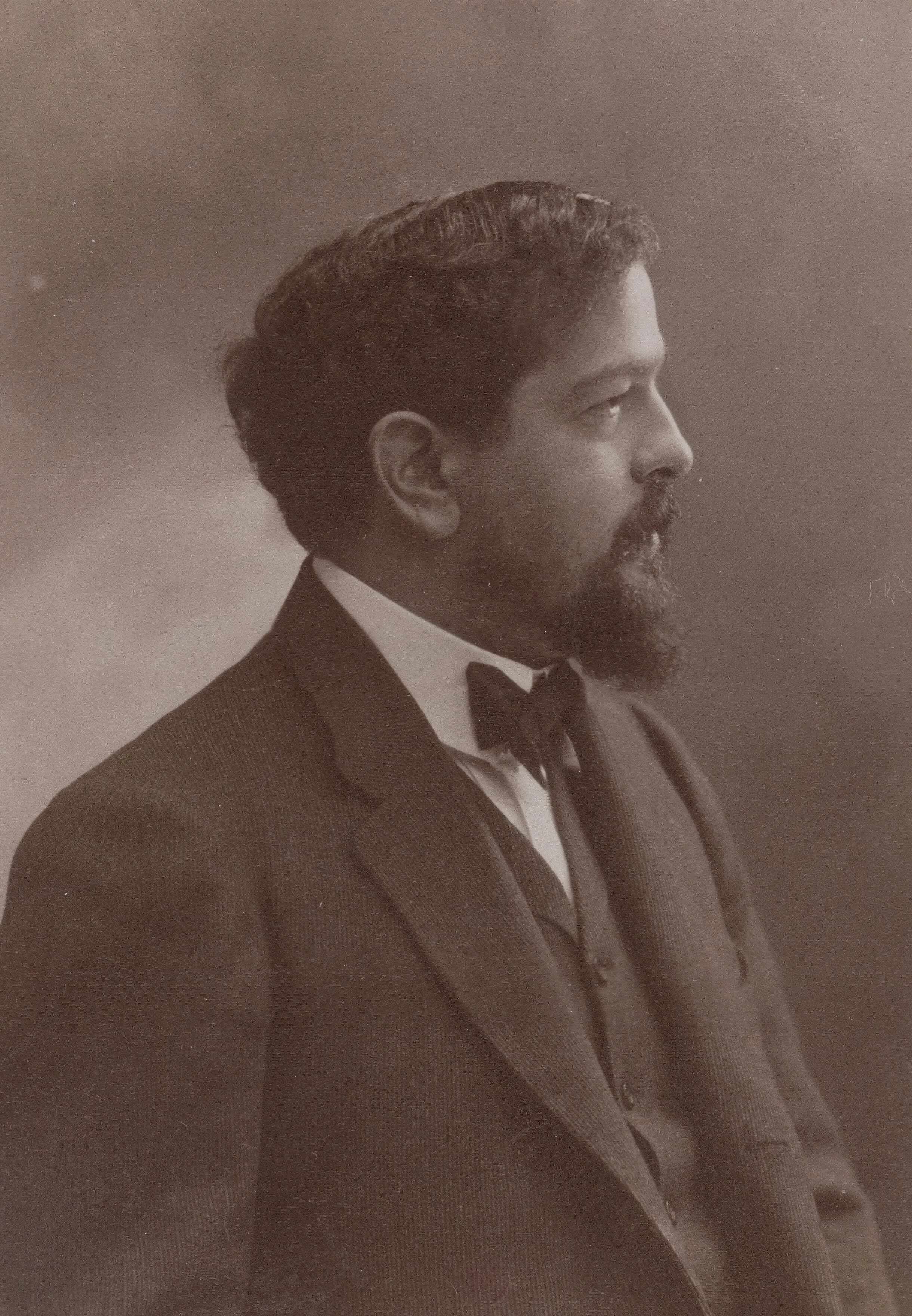 1900–1950ModernismIn the first half of the twentieth century, composers questioned rules that had seemed eternal: tonality, a steady beat, the usual orchestra. In a few years, Paris and Vienna heard more new things than in an entire century before.Read the chapter
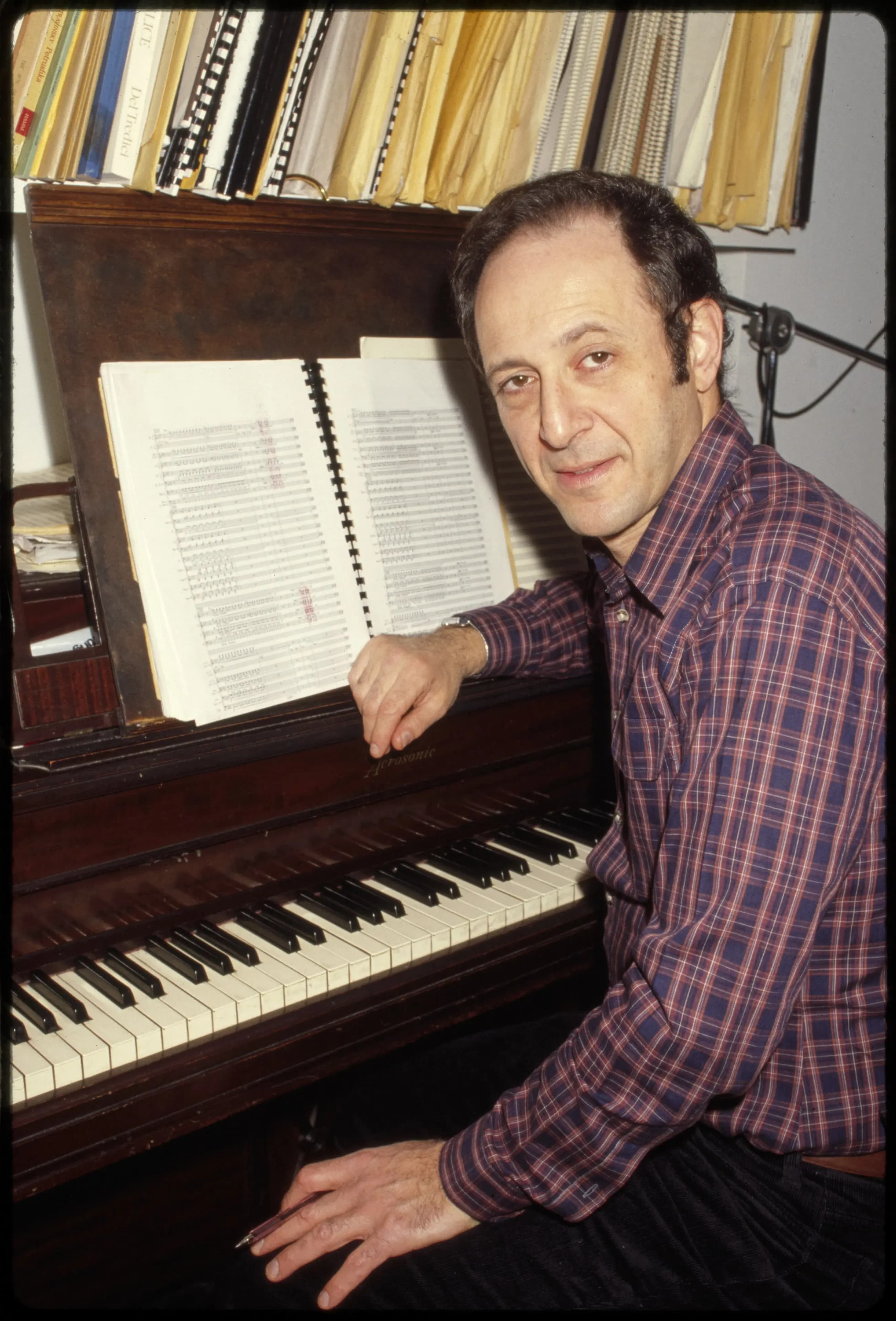 1950–todayContemporaryAfter 1950, each composer began choosing a language of their own. Silence, noise, computers, hypnotic repetition and the return of melody live side by side, and concert music talks with film, video games and popular music.Read the chapter