From a bone flute to the grand piano
The instruments of concert music: where they came from, how they work, how they changed and what to hear on each.
Keyboards
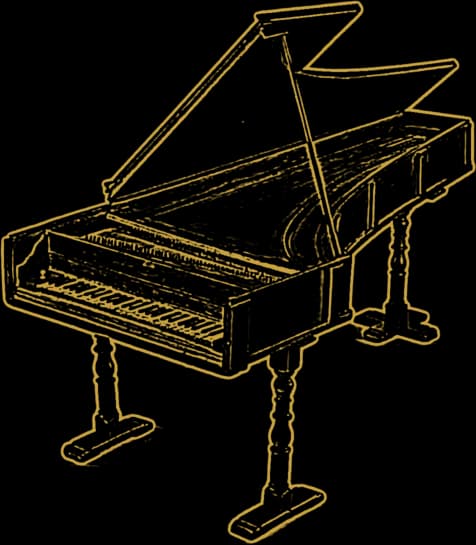 Florence, around 1700PianoThe piano was invented to fix one thing the harpsichord could not do: play louder or softer depending on the touch. In little more than a century it became the instrument of home, study and concert hall.
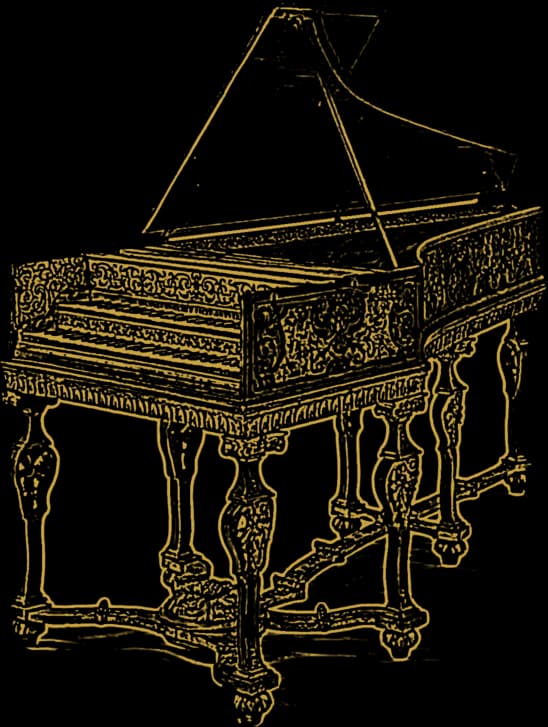 Europe, 14th and 15th centuriesHarpsichordThe harpsichord was the keyboard of the Renaissance and the Baroque. Its bright, precise sound held up the basso continuo of almost all the music of the time, and it returned to the stage in the twentieth century.
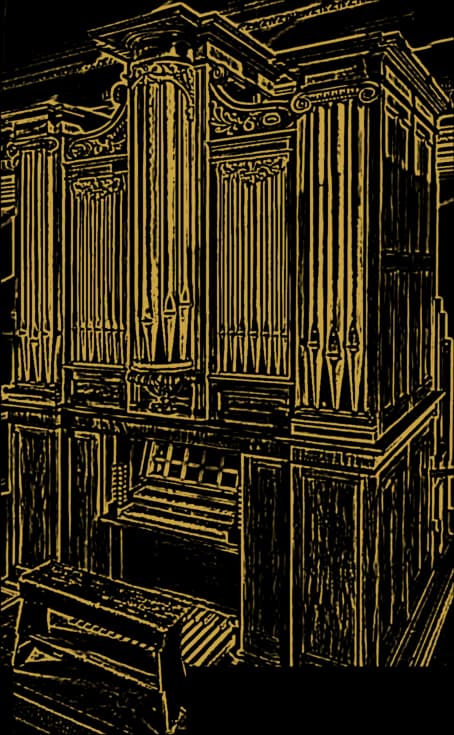 Alexandria, 3rd century BCOrganThe organ is the oldest keyboard instrument and the largest of all. With air flowing through pipes, it can whisper or make a whole cathedral tremble.
Strings
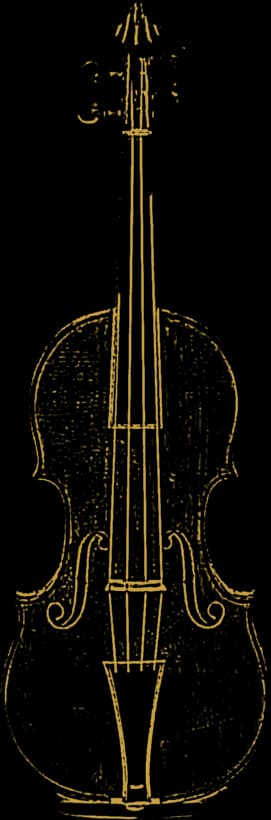 Cremona, around 1550ViolinThe violin is the smallest and highest member of the string family, and the one closest to the human voice. The finest are still those made in Cremona more than three hundred years ago.
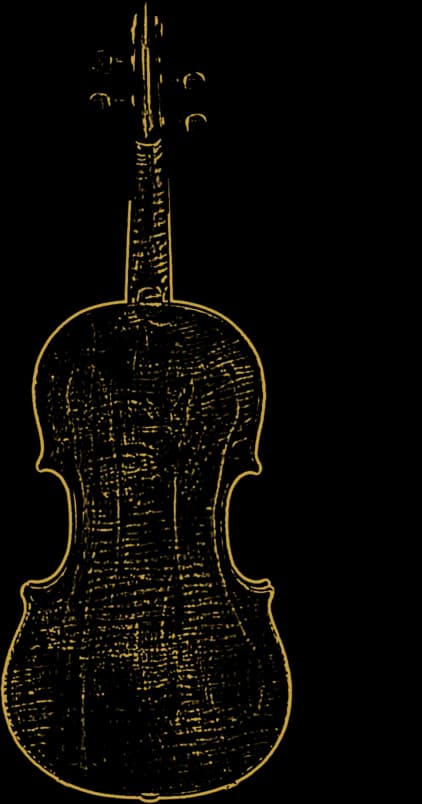 Italy, around 1550ViolaThe viola is a little larger than the violin and sounds a fifth lower. It sits in the middle of the orchestra and the quartet, with a darker, velvety tone.
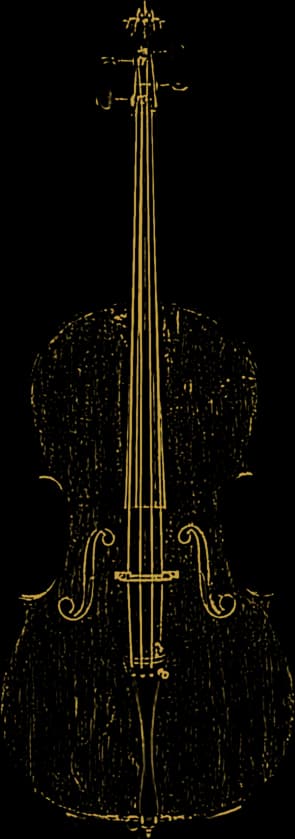 Italy, around 1560CelloThe cello has the range closest to the human voice, from deep bass to high tenor. Played seated, with the instrument between the knees, it can sing and can carry the whole orchestra.
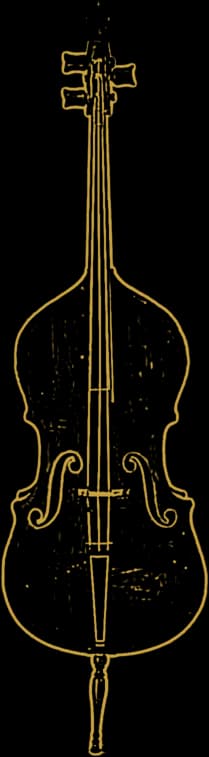 Europe, 16th centuryDouble bassThe double bass is the largest and lowest string instrument in the orchestra. Almost always at the back of the stage, it lays the floor everything else stands on.
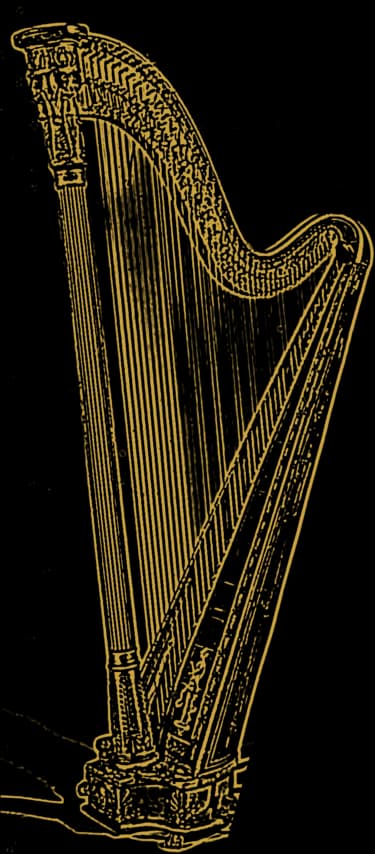 Egypt and Mesopotamia, more than 4,000 years agoHarpThe harp is one of the oldest instruments there is. The concert harp, with 47 strings and seven pedals, can play in any key and gives the orchestra a shimmer no other instrument has.
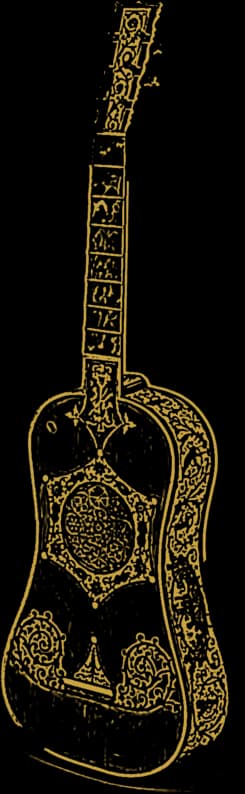 Spain, 16th centuryClassical guitarThe classical guitar is the most played string instrument in the world. It moved from Spanish streets and salons to the concert hall in the twentieth century, and in Brazil it grew a tradition of its own.
Woodwinds
 Prehistory; modern flute in 1847FluteBone flutes more than 35,000 years old are among the oldest instruments ever found. The modern transverse flute, metal and full of keys, dates from 1847.
 French court, around 1650OboeThe oboe has a penetrating, expressive sound that carries through the whole orchestra. It gives the note everyone tunes to before the concert.
 Nuremberg, around 1700ClarinetThe clarinet is the youngest of the orchestra’s woodwinds and one of the most versatile. It ranges from a barely audible whisper to a shout, and it has lived in concert music, jazz, klezmer and choro.
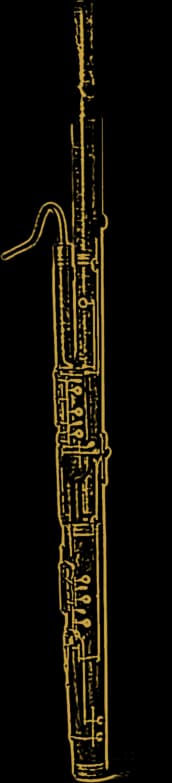 Europe, 16th centuryBassoonThe bassoon is the bass of the woodwinds. With more than two metres of tube folded in half, it can be comic, melancholy or eerie, and it has one of the most famous solos of the twentieth century.
Brass
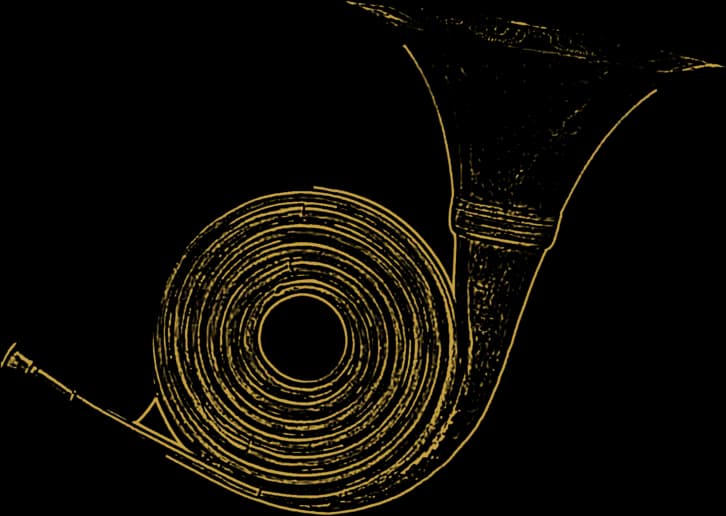 French court, around 1650HornThe horn was born on the hunt and became the most versatile brass instrument in the orchestra. Its round sound can be heroic, distant or nostalgic, and it blends with brass and woodwinds alike.
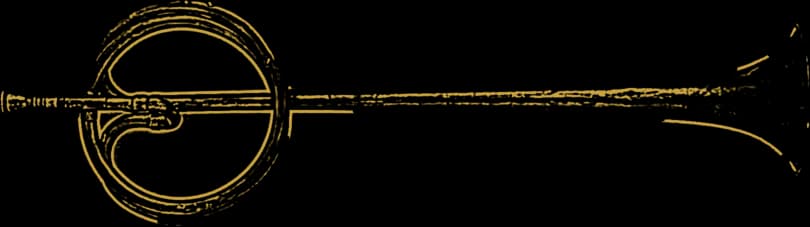 Ancient Egypt, more than 3,000 years agoTrumpetTrumpets have announced kings, battles and feasts for millennia. In the orchestra they bring brilliance and force to moments of triumph, and in the twentieth century they found a second life in jazz.