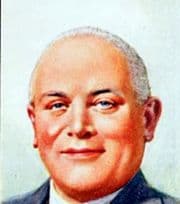
Léo Delibes
- Born
- 21 February 1836
- Died
- 16 January 1891
- aged 54
- Country
- France
- Era
- Romantic
Clément Philibert Léo Delibes
Biography
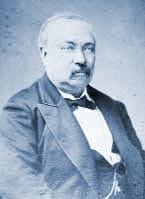
Clément Philibert Léo Delibes was born in Paris, on February 21, 1836, and died in the same city, on January 16, 1891. French by birth and nationality, he was one of the most outstanding composers of the romantic period, recognized above all for his productions for ballet and opera.
Graduated from the Paris Conservatory, Delibes began studying piano under the guidance of Pierre Zimmermann and harmony with Napoléon Henri Reber, later moving on to composition with François Bazin. In 1854 he won the prestigious Prix de Rome with the cantata “Le Roi d’Yvetot”, which guaranteed him a scholarship at the Villa Medici, in Rome, where he deepened his mastery of orchestration and melodic treatment. The influences that shaped his language included the French operatic tradition of Meyerbeer and Gounod, as well as the growing interest in exotic sounds, which would later manifest itself in works such as “Lakmé”.
Delibes' style is characterized by clear melodic lines, lyrical harmonies and careful orchestration that favors delicate timbres, especially of wind and string instruments. In ballet music he introduced a thematic unity and a more sophisticated orchestral development than usual for the genre, anticipating practices that would influence impressionist composers. In opera, his sensitivity to tonal color and exotic atmosphere was evident in the famous aria “Flower Song” from “Lakmé”.
Among the most representative works are the ballets “Coppélia” (1870) and “Sylvia” (1876), which remain in the classical repertoire of dance companies, and the opera “Lakmé” (1883), whose success consolidated his name in the French opera scene. He also composed sacred pieces, such as “Messe Solennelle” (1865), and a series of chamber works and concert music that reveal his versatility.
Delibes lived a relatively discreet life, married to Jeanne-Marie, with whom he had children. Known for his reserved personality and dedication to his craft, he maintained close ties of friendship with composers of his generation, such as Georges Bizet. He died in Paris of pneumonia, leaving a legacy that influenced the evolution of French ballet and opera music at the end of the 19th century.
Written by artificial intelligence and not yet reviewed by a person.
Where to start
Curiosities
- Tchaikovsky admitted that, had he known Sylvia earlier, he would not have written Swan Lake.
- At 13, he sang in the premiere of Meyerbeer's Le prophète at the Paris Opéra.
- His last opera, Kassya, was completed and orchestrated by Massenet after his death.
Works
74 works- LakméIncludes Flower Duet · Orquestra · 1883
- CoppéliaOrquestra · 1869-70
- Les filles de CadixVoz
- Le roi s'amuseOrquestra · 1882 (July-October)
- Le rossignolPiano
- Grand ValseOrquestra · 1866
- La sourceOrquestra · 1866
- Le roi l'a ditOrquestra · 1873, rev.1885
- Agnus DeiPiano
- Ave maris stellaVoz
- Les trois oiseauxPiano
- Bonjour, Suzon!Voz
- Jean de NivelleVocal
- AriosoVoz
- Les nymphes des boisPiano
- Chœur des frileusesPiano
- KassyaVocal · 1890
- L'omelette à la FollembucheVocal
- Ave verumPiano
- Leçon à déchiffrer pour la contrebasseVioloncelo · 1884-06
- Chanson de l'oiseleurVoz
- Blanche et roseVoz
- Le jardinier et son seigneurOrquestra · até 1863
- Les norvégiennesPiano
- Chanson de BarberineVoz
- Deux vieilles gardesVocal · 1856
- Chanson hongroiseVoz
- Chanson slaveVoz
- Chant de l'alméeVoz
- Heure du soirVoz





Something wrong on this page? or send a missing work.