Franz Schubert
- Born
- 31 January 1797
- Died
- 19 November 1828
- aged 31
- Country
- Austria
- Era
- Romantic
Franz Peter Schubert
Biography
Franz Peter Schubert was born on 31 January 1797, in the suburb of Himmelpfortgrund, Vienna, then part of the Archduchy of Austria, and died on 19 November 1828, also in Vienna. Of Austrian nationality, he was a composer whose output exceeds a thousand works, among them more than six hundred lieder, seven complete symphonies, sacred music, operas, incidental music, as well as an extensive repertoire of piano pieces and chamber music.
His musical training began at home, with violin lessons from his father and piano lessons from his brother Ignaz, who quickly recognized the boy’s early talent. At eight years old he received instruction from Michael Holzer, organist and choir master of the local parish, who taught him piano, violin, organ, singing, harmony and basso continuo. In 1808, at eleven, he entered the Stadtkonvikt, where he studied the repertoire of Haydn, Mozart and Beethoven, and came into contact with the songs of Johann Rudolf Zumsteeg. From May 1812, after his mother’s death, he became a private student of Antonio Salieri, who gave him theory and composition lessons twice a week until 1817.
Schubert’s style combines the classical clarity inherited from Haydn and Mozart with the Romantic expressiveness he developed in his lieder and symphonies. His melody, often lyrical, serves poetic texts, as demonstrated by “Gretchen am Spinnrade,” “Erlkönig,” and the collection “Schwanengesang.” In chamber music the “Death and the Maiden” Quartet (D minor) and the “Trout” Quintet stand out. The “Unfinished” Symphony (B minor) and the “Great” Symphony (C major) reveal an expansive structure and harmonic richness that anticipate late Romanticism.
During his short life, Schubert maintained close ties with friends such as Joseph von Spaun, Anselm Hüttenbrenner and Franz von Schober, who provided him with material support and promotion of his compositions. In 1821 he was admitted as an executive member of the Gesellschaft der Musikfreunde, which gave him greater recognition among the Viennese public. He gave a single concert of his works, in March 1828, receiving critical acclaim. The composer died eight months later, the official cause of death being typhoid fever, although some historians consider other hypotheses.
A striking aspect of his personal life was the frustrated attempt to marry the soprano Therese Grob, prevented by the legal requirements of 1815 that demanded proof of financial resources. This frustration, combined with the need to earn a living as a primary‑school teacher, marked his youth and contributed to the perception of a melancholic character that permeated his artistic production. Schubert remains today as one of the greatest composers in the history of Western music, whose work continues to be widely performed and studied.
Written by artificial intelligence and not yet reviewed by a person.
Where to start
Curiosities
- Composed over 600 songs in his short 31-year life.
- Slept with his glasses on to compose as soon as he woke up.
- Wrote "Ave Maria" and "The Trout" which became instant classics.
- Could compose up to 8 songs in a single day.
Works
1,061 works- 3 Marches militaires, D.733, D.733 ; Op.51Includes Marche militaire No.1 · Piano · 1818?
- Piano Quintet in A major, D.667, D.667 ; Op.114Trout Quintet · Violino · 1819?
- 386 LiederVoz
- 36 Originaltänze, D.365, D.365 (Op.9)Piano
- 3 Klavierstücke, D.946Piano · Advanced
- 3 Sonatinas, Op.137, Op.137 ; D.384, 385, 408Violino · 1816 · Intermediate
- 12 German Dances, D.420Piano
- 18 German Dances and Ecossaises, D.783, D.783 ; Op.33Piano · 1823-24
- 3 Gesänge des Harfners, D.478, D.478 (2nd version published as Op.12)Harfenspieler III (D.478/2) was formerly D.480Harfenspieler II (D.478/3) was formerly D.479Voz · 1816 September (1ª versão)1822? (2ª versão and modified versão)
- 4 Gesänge aus 'Wilhelm Meister', D.877, D.877 (original version published as Op.62)Piano · 1826 January (original versão)
- 12 Valses nobles, D.969, D.969 ; Op.77Piano
- 17 Ländler, D.366Piano
- 38 Waltzes, Ländler and Ecossaises, D.145, D.145; Op.18Piano · Intermediate
- 3 Piano Pieces, D.459aPiano · 1816 (?) · Advanced
- 20 Waltzes, D.146, D.146 (published as Op.posth.127)Piano · 1815–23
- 4 Canzonas, D.688Voz · 1820 (January)
- 12 Ecossaises, D.299Piano · 1815 · Beginner
- 20 Ländler, Anh.1a/06 (Brahms)Piano · 1869?
- 2 Scherzos, D.593Piano · 1817 November · Intermediate
- 3 German Dances, D.972Piano
- String Quartet in D major, D.74Violino · 1813/08/22 - 1813 (September)
- 4 Comic Ländler, D.354Violino · 1816
- 12 German Dances, D.790, D.790 ; Op.171Piano · 1823
- 3 Gesänge, D.902, D.902 (Op.83)Piano · 1827
- 2 Marches caractéristiques, D.968b, D.968b (formerly D.886) ; Op.121Piano · 1826?
- 12 Ecossaises, D.781Piano · 1823 January
- 12 Grazer Waltzer, D.924, D.924 (Op.91)Piano · 1827 (?)
- 20 Minuets, D.41Piano
- 3 Marches héroïques, D.602, D.602 ; Op.27Piano · 1818 ou 1824
- 10 Variations in F major, D.156Piano · 1815-02-15
Further reading
See the blog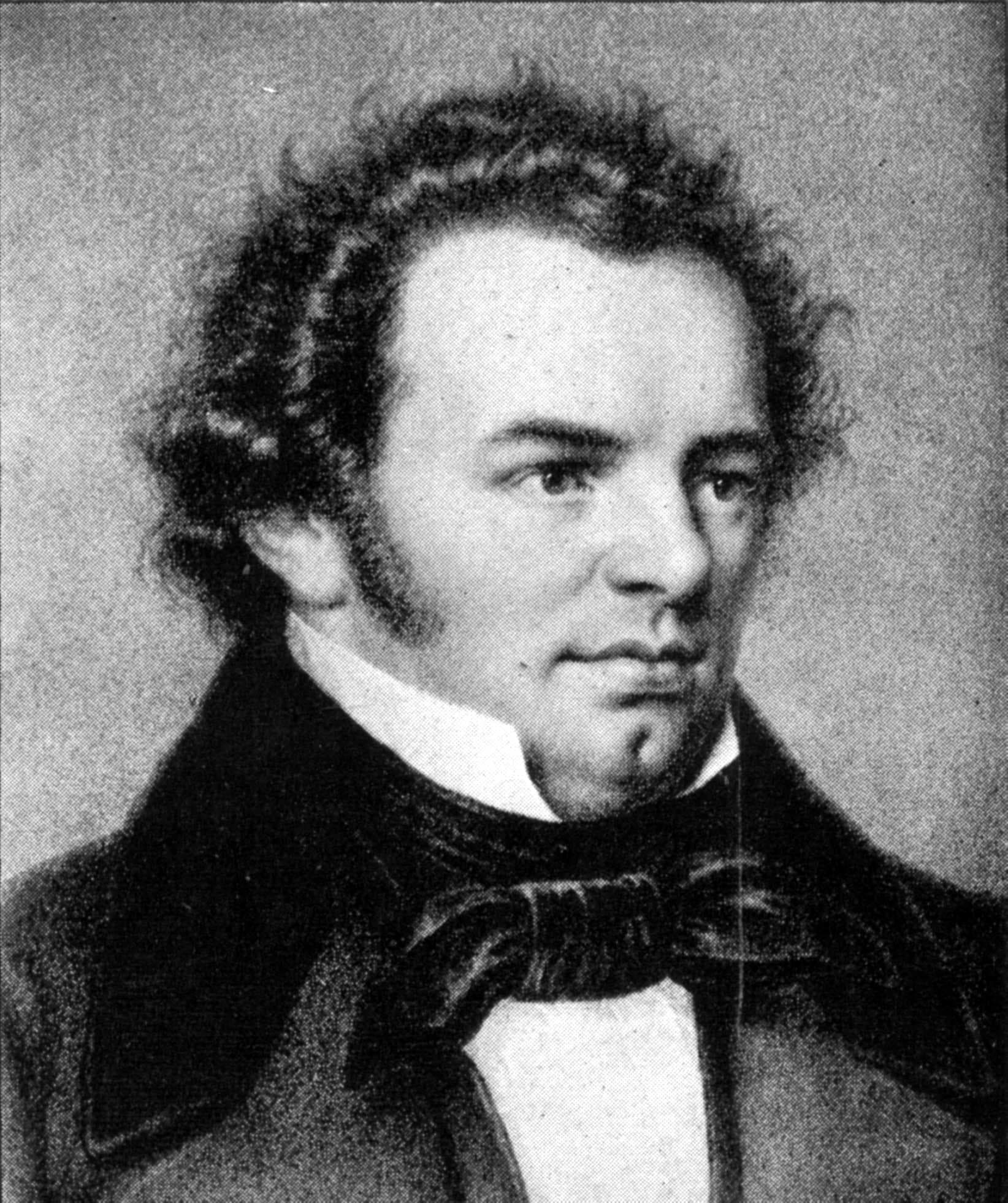


Something wrong on this page? or send a missing work.