Eyvind Alnæs
- Born
- 29 April 1872
- Died
- 24 December 1932
- aged 60
- Country
- Norway
- Era
- Romantic
Alnaes
Biography
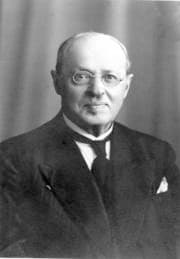
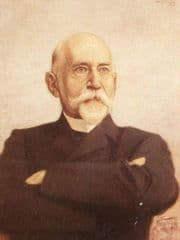
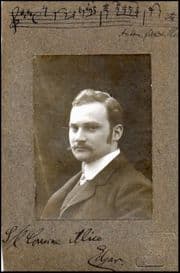
Eyvind Alnæs was born on April 29, 1872, in Oslo, then called Christiania, and died on December 24, 1932, in the same city. He was Norwegian by nationality and distinguished himself as a composer, pianist and violinist, although his performance as an organist is particularly remembered in the country's musical tradition.
He graduated from the Oslo Conservatory, where he studied piano with Erika Nissen and composition with Johan Svendsen. He continued his studies in Leipzig, under the guidance of Salomon Jadassohn, deepening his mastery of classical form and romantic harmony. After returning to Norway, he took on the position of organist at Oslo Cathedral (Oslo Domkirke) between 1905 and 1910, an activity that allowed him to develop a considerable repertoire for organ and choir. Later, he taught at the Oslo Institute of Music, contributing to the training of new generations of musicians.
Alnæs' style reflects the synthesis between European romanticism and Norwegian musical identity. Influenced by Edvard Grieg and German contemporaries, he combined lyrical melodies of a nationalist nature with developed orchestral structures, highlighting the use of timbral colors and dynamic contrasts typical of the late 19th century. In works for piano and singing, singable lines and rich harmonies prevail, which maintain formal clarity.
His production includes two symphonies, programmatic orchestral works, piano concertos, organ pieces, chamber music and a significant repertoire of art songs. Among the most widespread compositions are his symphonic poems and a set of romances that continue to be performed in Nordic singing recitals. Alnæs also wrote sacred choral music, standing out as an organist in the liturgical life of Oslo.
Active during the late Romantic period, Alnæs participated in the revival of Norwegian classical music, collaborating with other musicians and institutions seeking to consolidate a national tradition. On a personal level, he was married to soprano Marie Hagerup, with whom he had children who pursued artistic careers, reinforcing his bond with the musical world. His legacy remains an integral part of the Norwegian repertoire, highlighting the bridge between European romanticism and Scandinavian expressiveness.
Written by artificial intelligence and not yet reviewed by a person.
Where to start
Curiosities
Nobody has shared a curiosity about Alnæs yet. The first one earns XP.
Works
20 works- 3 Piano Pieces, Op.10Piano
- 3 Piano Pieces, Op.9Piano
- 3 SongsVoz
- 3 Songs, Op.17Voz
- 4 Piano Pieces, Op.13Piano
- 4 Piano Pieces, Op.4Piano
- 4 Poems, Op.30Voz
- 4 Songs, Op.28Voz
- 6 Songs, Op.22Voz
- Marche symphonique, Op.16Piano · 1904 ca.?
- Piano Concerto, Op.27Piano · 1913
- Piano Pieces, Op.20Piano
- RomancePiano
- Symphony No.1, Op.7Orquestra · 1897-98 ca.
- Symphony No.2, Op.43Orquestra · 1923 ca.
- Variations, Op.5Piano
- 2 Études mélodiques, Op.44Piano
- Etüden-AlbumPiano
- Suite for Violin and Piano, Op.3Violino
- Suite, Op.36Violino



Something wrong on this page? or send a missing work.