Jean-Baptiste Lully
- Born
- 29 November 1632
- Died
- 22 March 1687
- aged 54
- Country
- France
- Era
- Baroque
Giovanni Battista di Lulli · Ζαν Μπατίστ Λυλί · جان باتيست لولي
Biography
Jean‑Baptiste Lully was born on November 29, 1632, in Florence, to the then Grand Duchess of Tuscany, son of Lorenzo Lulli and Caterina Del Sera. Of Italian origin, he became a French subject in 1661 and died in Paris on March 22, 1687. Although his birth name was GiovanniBattista Lulli, he became known by his French-speaking name, reflecting the naturalization he received at the court of Louis XIV.
Lully's musical background has an uncertain origin, but he himself recalled that a Franciscan friar gave him his first guitar lessons, and that he learned the violin at a young age. When, as a teenager, he was taken to Paris in the service of Princess Mademoiselle de Montpensier, he came into contact with the house's musicians and composers such as NicolasMétru, FrançoisRoberday and NicolasGigault, which seems to have contributed to his development as a violist, guitarist and dancer. In 1653 he entered the service of King Louis XIV, being appointed royal composer of instrumental music, and shortly afterwards he directed the “Petits Violons” orchestra.
Lully consolidated the French Baroque style by founding lyrical tragedy (or tragédie en musique) alongside librettist PhilippeQuinault, creating an operatic form that used Alexandrian verse for recitative and mixed it with airs based on court dances. He also invented the “French overture”, of two contrasting parts, which influenced later composers such as Bach and Handel. His music is characterized by the use of basso continuo, lively rhythms and an orchestration that included violins, violas, cello, viola da gamba, harp, harpsichord, organ, oboes, bassoons, flutes, natural trumpets, timpani and various percussion. In court ballets he introduced fast dances – gavotas, menuetes, rigaudons and sarabandes – which reshaped the choreographic practice of the time.
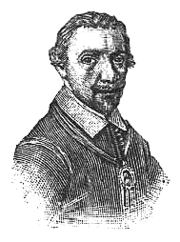
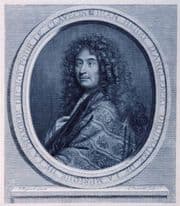
In the theatrical sphere, Lully collaborated closely with Molière, composing the music for comédies‑ballets such as Le Bourgeois gentilhomme and Psyché. In 1672 he took over the direction of the AcadémieRoyale de Musique, monopolizing French operatic production until his death. His role as superintendent of court music and master of the royal family consolidated the dominance of French music during the reign of Louis XIV. After his death, caused by gangrene resulting from an injury to his foot while driving the TeDeum, he was buried in Notre‑Dame‑des‑Victoires; his importance was immortalized in the engraving by TitonduTillet, which portrays him as “prince of French musicians”.
Written by artificial intelligence and not yet reviewed by a person.
Where to start
Curiosities
- Was official composer to Louis XIV and creator of French opera.
- Died after piercing his foot with his own conducting staff.
- Monopolized French operatic production for decades.
- Born Italian but became more French than the French themselves.
Works
90 works- Armide, LWV 71Orquestra · 1685-86 ?
- Atys, LWV 53, LWV 53 ; Op.6Orquestra · 1676
- Amadis, LWV 63Orquestra
- 6 PiecesPiano
- Gigue in E minorCravo
- Cadmus et Hermione, LWV 49Flauta Doce
- Harpsichord Pieces from the Manuscrit de Mademoiselle de La PierreCravo
- Grands Motets, LWV 77Coro
- GavottePiano · até 1686
- L'amour médecin, LWV 29Flauta Doce · 1665
- Acis et Galatée, LWV 73Voz · 1686
- Gud! skærm vor Konges HusVoz
- Ballet d'Alcidiane, LWV 9Quarteto · 1658
- Alceste, LWV 50Orquestra · 1673
- Idylle sur le Paix, LWV 68Orquestra
- Ballet de l'Amour Malade, LWV 8Voz · 1657
- Gavotte in G minorTeclado
- Isis, LWV 54Solo · 1676
- Ballet les amours déguisés, LWV 21Flauta Doce · 1664
- Bellérophon, LWV 57Vocal · 1678-79
- Achille et Polixène, LWV 74Orquestra · até 1687
- Balletstücke für OrchesterPiano
- Ballet de l'Impatience, LWV 14Voz · 1661
- Ballet de la Revente des Habits, LWV 5Piano · 1661
- Le bourgeois gentilhomme, LWV 43The Bourgeois Gentleman · Voz · 1670
- Dies Irae, LWV 64/1Coro
- Ballet de Flore, LWV 40Trio · 1669
- Ballet de Xerces, LWV 12Piano · 1660
- Ballet des muses, LWV 32Orquestra · 1666
- Ballet du temple de la paix, LWV 69Orquestra · 1685


Something wrong on this page? or send a missing work.