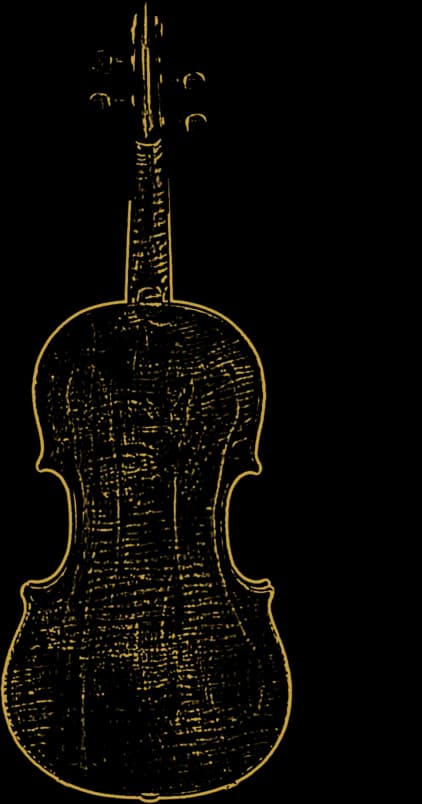
Viola
Italy, around 1550
The viola is a little larger than the violin and sounds a fifth lower. It sits in the middle of the orchestra and the quartet, with a darker, velvety tone.
Works for violaHow it works
It has four strings tuned C, G, D and A, and is held on the shoulder like the violin. Its size is not standardised: each player chooses a body that fits the arm. Viola music is written in the alto clef, which almost no other instrument uses, because the viola’s range lies between the violins and the cellos.
The story
The viola was born alongside the violin, in the workshops of northern Italy in the sixteenth century. For a long time its job was to fill in the harmony in the middle of the orchestra, and it got little music of its own.
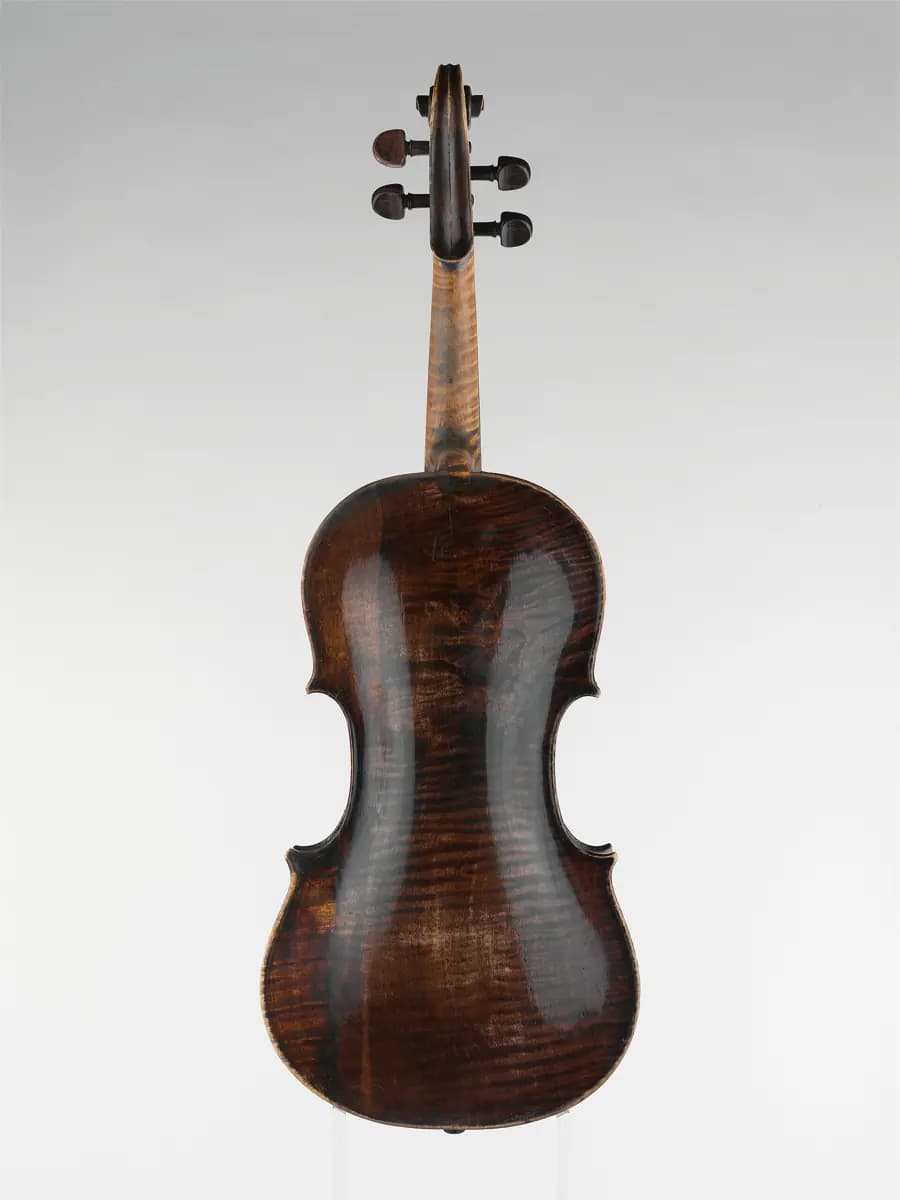
In the Classical period, the string quartet gave the viola more prominence. Mozart liked to play it in quartet gatherings, and we know of an evening in Vienna, in 1784, when he took the viola in a quartet with Haydn, Dittersdorf and Vanhal. His Sinfonia Concertante, K. 364, puts violin and viola side by side as soloists.
The nineteenth century still viewed the viola with suspicion, but Berlioz wrote Harold en Italie for it, and in the twentieth century concertos and sonatas by Hindemith, himself a violist, Walton and Bartók established its solo repertoire.
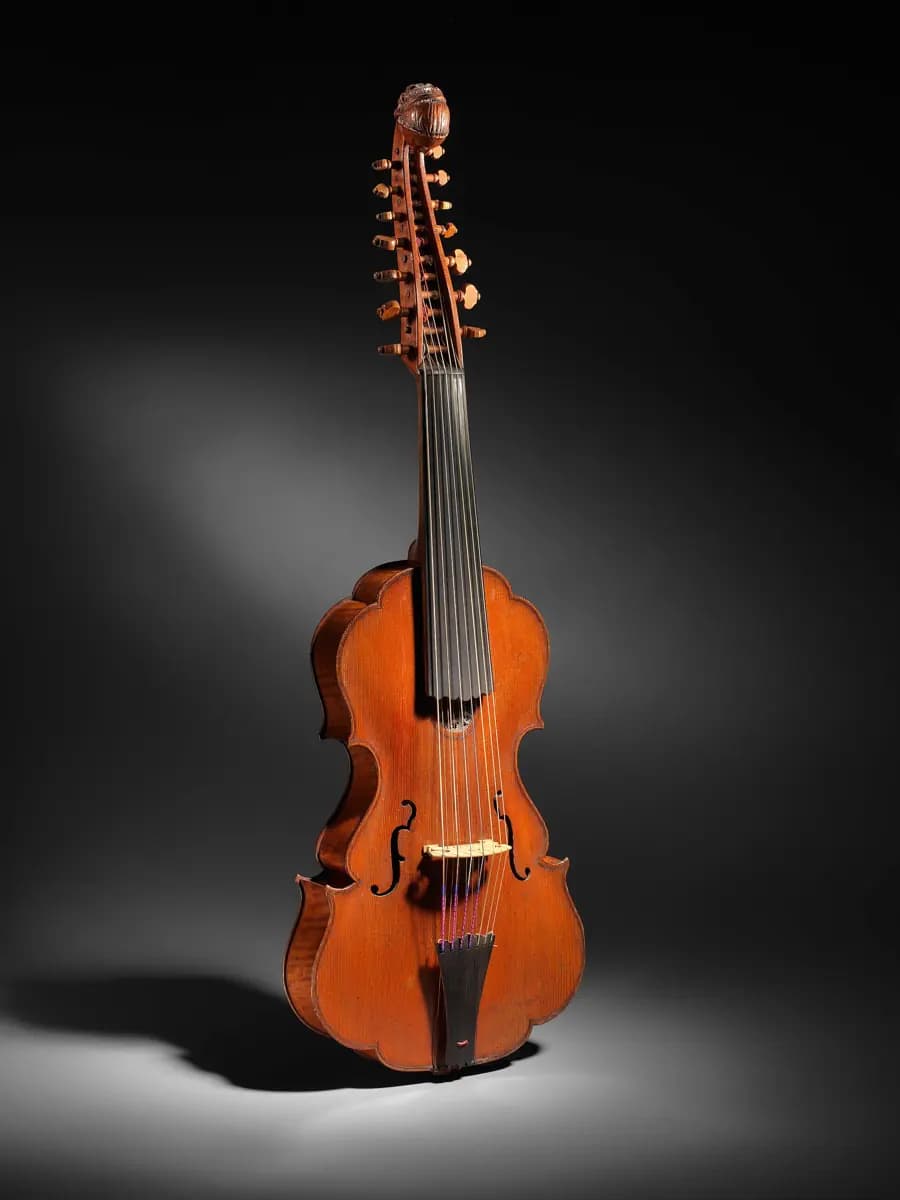
Tuned a fifth below the violin and with a larger body, the viola has a darker, veiled voice. Its size was never standardized the way the violin’s was: bodies range from about 38 to over 43 centimeters, and each violist trades a deeper sound against the comfort of the left arm.
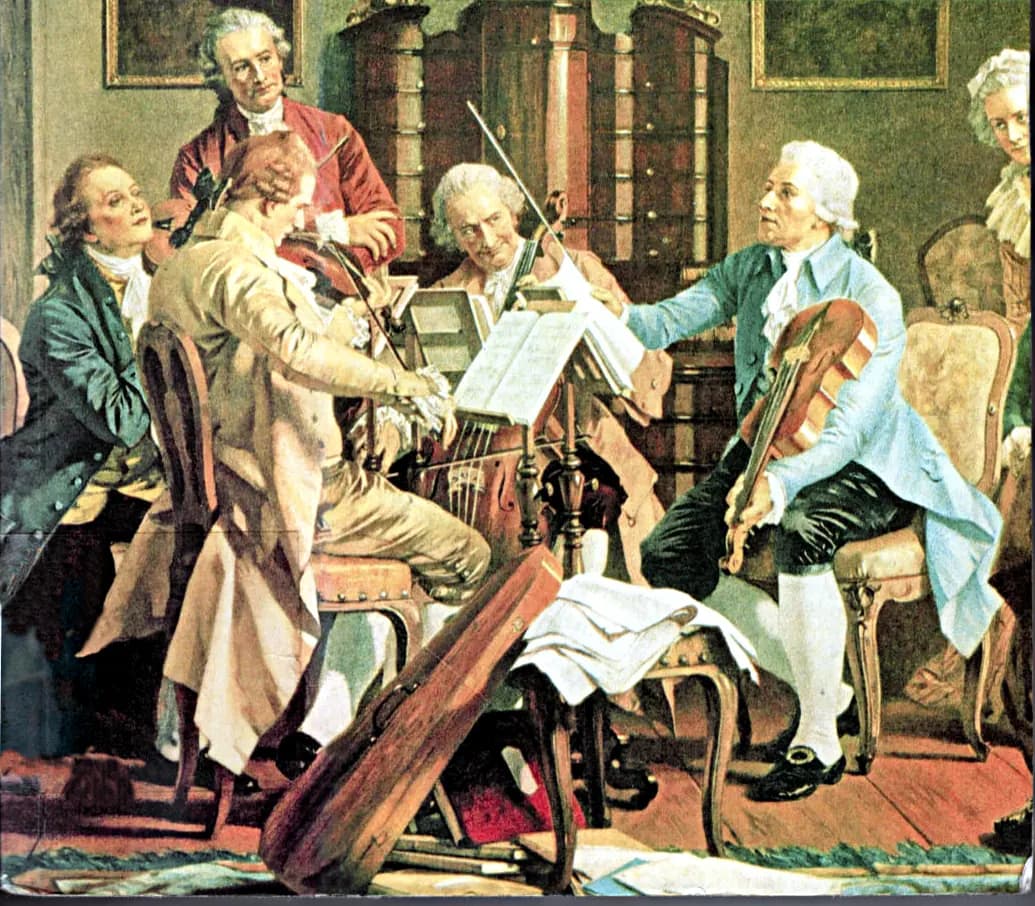
In the twentieth century the Englishman Lionel Tertis and the Scot William Primrose proved the viola could hold a large hall as a soloist, and Bartók wrote his concerto for Primrose. In Brazil, the word viola also names the viola caipira, a ten-string folk instrument from the guitar family, unrelated to the orchestral viola.
What was written for it
The quartets of Haydn, Mozart and Beethoven give the viola the middle voice. As soloist: Mozart, Berlioz, Brahms (the two Op. 120 sonatas, also for clarinet), Hindemith, Walton and Bartók.
In pictures
Where to start listening
- 1Sinfonia Concertante, K. 364: AndanteWolfgang Amadeus MozartViolin and viola converse like two opera singers. Open the work
- 2Harold en ItalieHector BerliozThe viola is the character wandering the Italian mountains. Open the work
- 3Viola Sonata Op. 120 No. 2Johannes BrahmsWarm and autumnal, written late in Brahms’s life. Open the work
- 4Viola ConcertoBéla BartókThe composer’s last work, completed after his death by his friend Tibor Serly. Open the work
Did you know?
- Paganini commissioned Harold en Italie from Berlioz, then declined to play it because he felt the viola had too many rests.
- Violists have been the butt of musicians’ jokes for centuries, and they tend to tell the best ones themselves.