Classical guitar
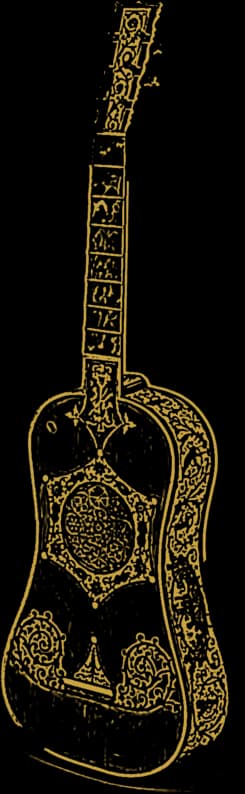
Spain, 16th century
The classical guitar is the most played string instrument in the world. It moved from Spanish streets and salons to the concert hall in the twentieth century, and in Brazil it grew a tradition of its own.
Works for classical guitarHow it works
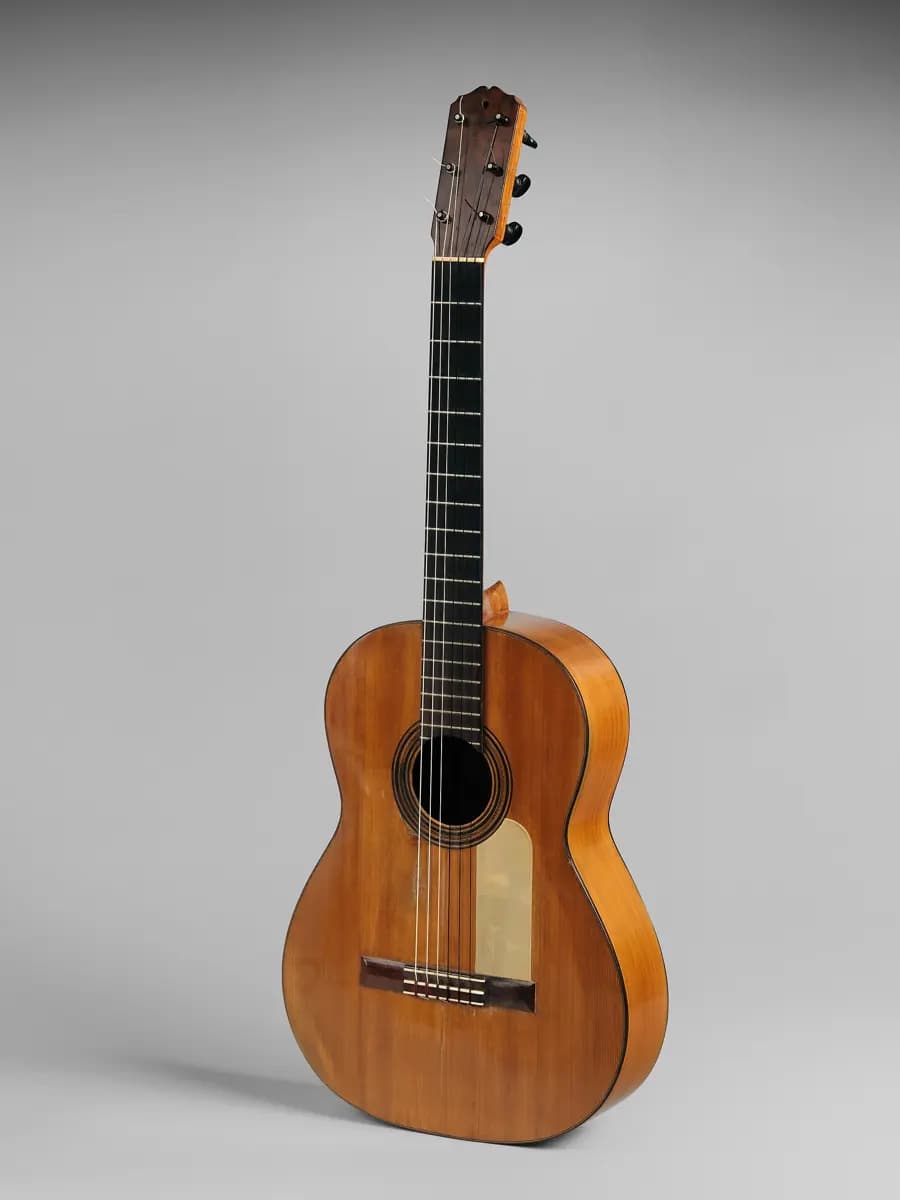
It has six strings, now nylon, tuned E, A, D, G, B and E. The player plucks with the fingers and nails of the right hand and presses the strings against the frets with the left. The top, usually spruce or cedar, is braced inside with wooden struts in a fan pattern, which shapes much of the sound.
The story
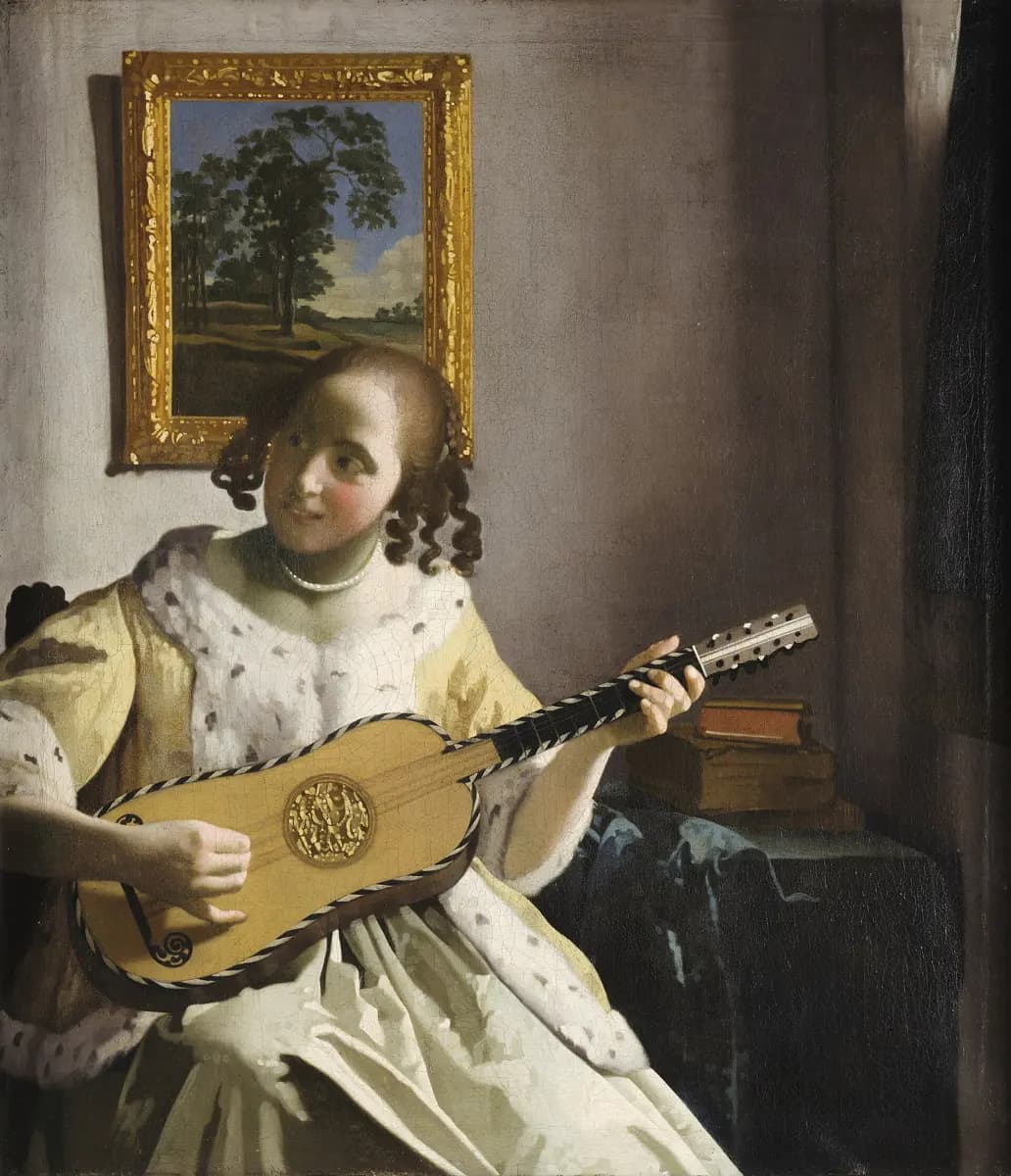
In sixteenth-century Spain, the vihuela, with paired strings, had a refined repertoire, while a smaller guitar with four and then five courses of strings was played everywhere. Around 1800 the instrument settled on six single strings, and Fernando Sor, in Paris and London, and Mauro Giuliani, in Vienna, wrote for it.
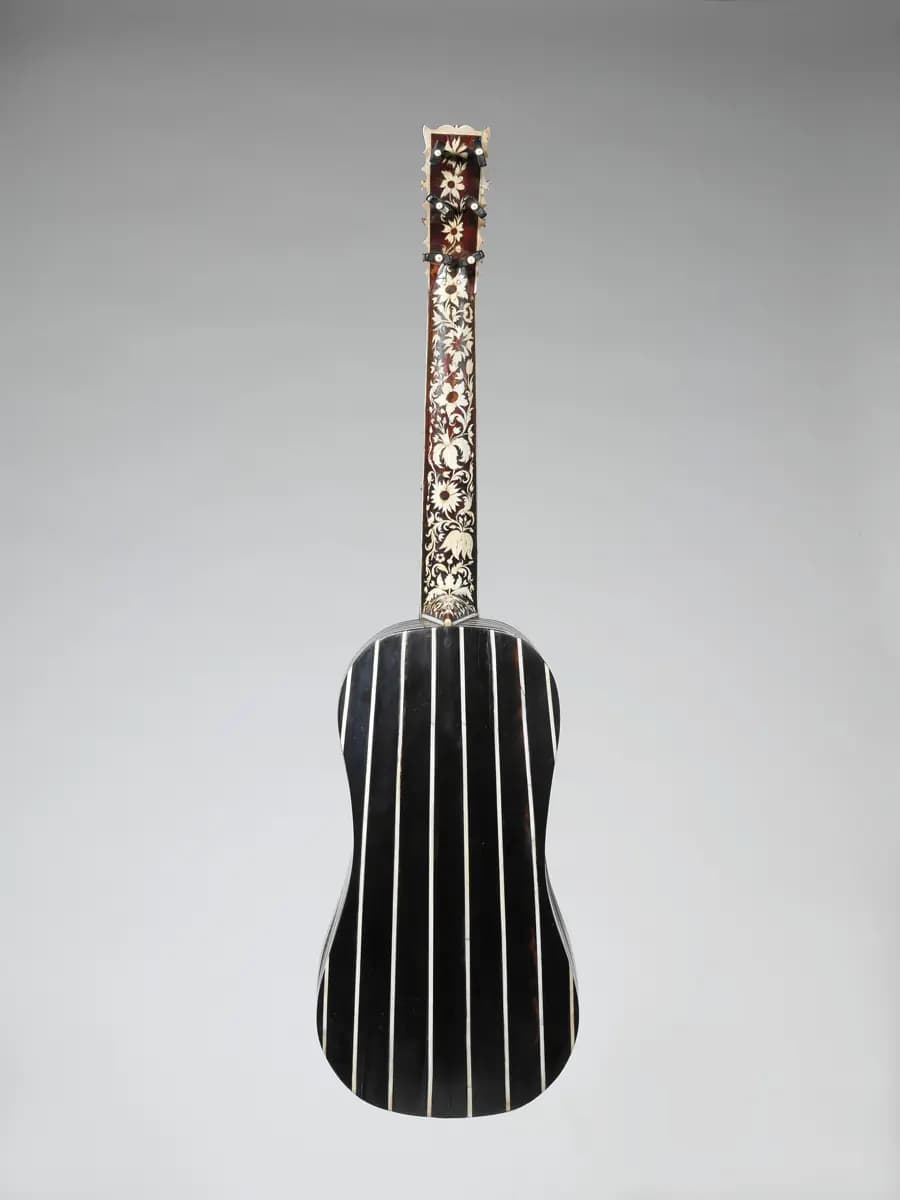
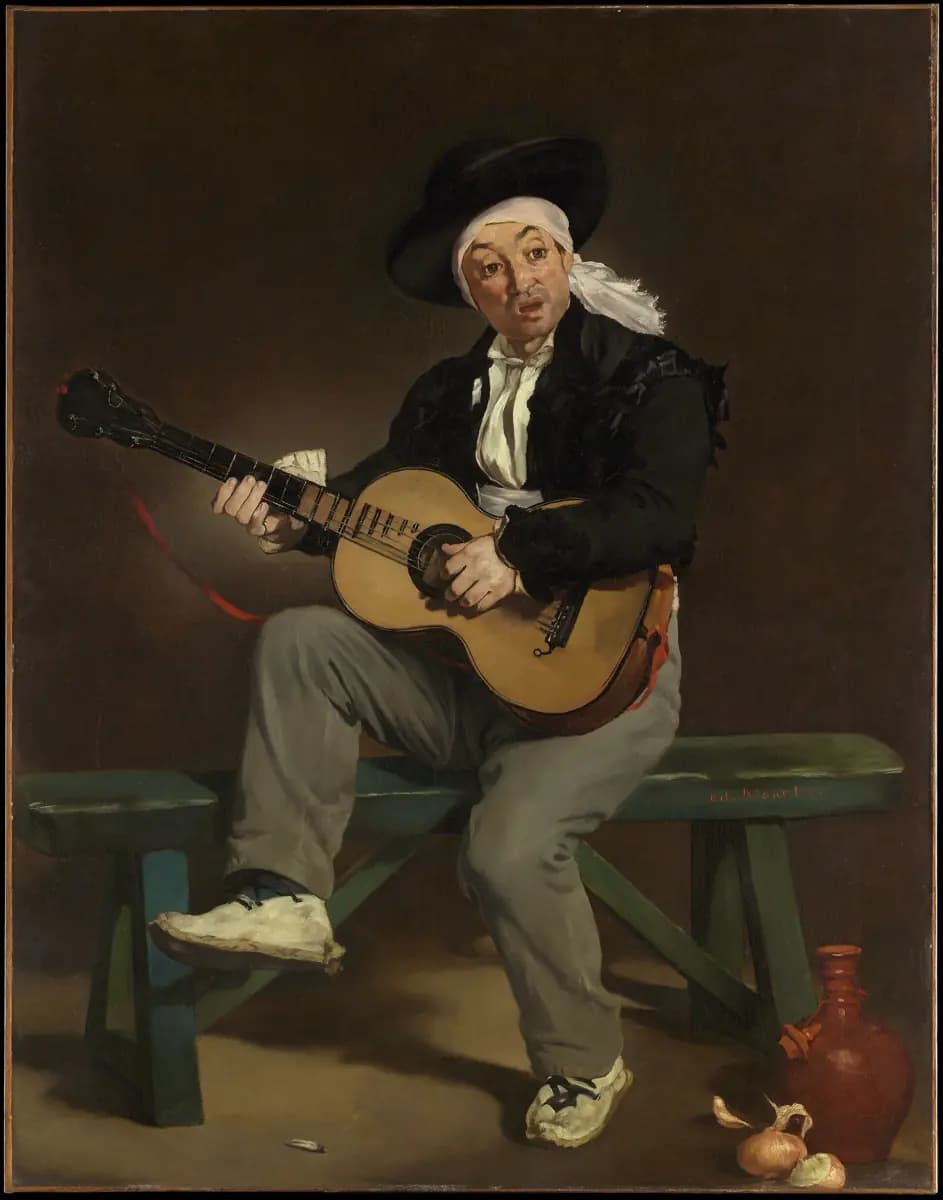
The modern shape came from the Spanish maker Antonio de Torres, who from 1850 enlarged the body and fixed the fan bracing. Francisco Tárrega created modern technique and pieces such as Recuerdos de la Alhambra. In the twentieth century, Andrés Segovia brought the guitar to the great halls and asked composers such as Villa-Lobos, Castelnuovo-Tedesco and Manuel Ponce for new works. After the Second World War, nylon strings replaced gut.
In Brazil, the guitar underpins choro, samba and bossa nova, and it also has a concert tradition. Villa-Lobos wrote the Twelve Études and Five Preludes, and guitarists such as Dilermando Reis, Garoto, Baden Powell and the Assad Duo moved between popular and classical music.
In the nineteenth century the guitar was mostly a salon and household instrument. The Spaniard Fernando Sor and the Italian Mauro Giuliani built careers in Paris, London and Vienna and left studies and sonatas that students still play.
After the Second World War, nylon strings, developed by Albert Augustine with DuPont and tried out by Segovia, replaced gut, which was costly and unstable. The guitar became cheaper to keep and held its tuning better, which helped it spread around the world.
What was written for it
Sor, Giuliani and Tárrega form the Classical and Romantic core. In the twentieth century Villa-Lobos, Rodrigo, Ponce, Britten (Nocturnal), Brouwer and Piazzolla expanded the repertoire. Much Baroque lute music, including Bach’s, is played on the guitar.
In pictures
Where to start listening
- 1Recuerdos de la AlhambraFrancisco TárregaThe tremolo, one note repeated very fast, imitates a fountain. Open the work
- 2Concierto de Aranjuez: AdagioJoaquín RodrigoCor anglais and guitar share one of the century’s most famous melodies. See the composer
- 3Prelude No. 1Heitor Villa-LobosA melody in the bass, with the flavour of Rio’s serenades. Open the work
- 4La CatedralAgustín BarriosThree movements inspired by a cathedral in Montevideo. Open the work
Where to start playing
Pieces chosen by the house, at the level rated by the musicians of IMSLP.
Beginner
- 30 Sehr leichte Übungsstücke für Gitarre, Op.39Anton DiabelliVery easy pieces by Diabelli, for the first lessons.
- 24 Petites pièces progressives, Op.44Fernando SorProgressive pieces by Sor, each preparing the next.
- 18 Progressive Studies, Op.51Mauro GiulianiProgressive studies by Giuliani, for an independent right hand.
Intermediate
- Etudes, Op.60Matteo CarcassiCarcassi's studies, a required stop on the classical guitar.
- 24 Studies for the Guitar, Op.100Mauro GiulianiStudies by Giuliani in the language of the concert.
- AdelitaFrancisco TárregaA brief mazurka by Tárrega, a first contact with his writing.
- Julia FloridaAgustín Barrios MangoréA barcarolle by Agustín Barrios, one of the great Latin American guitarists.
Did you know?
- Villa-Lobos learned the guitar against his mother’s wishes, since she frowned on Rio’s choro gatherings, where he played as a young man.
- The first nylon guitar strings were developed by DuPont with the maker Albert Augustine, tested by Segovia, who could not find good gut strings during the war.