 1750–1820
Classical
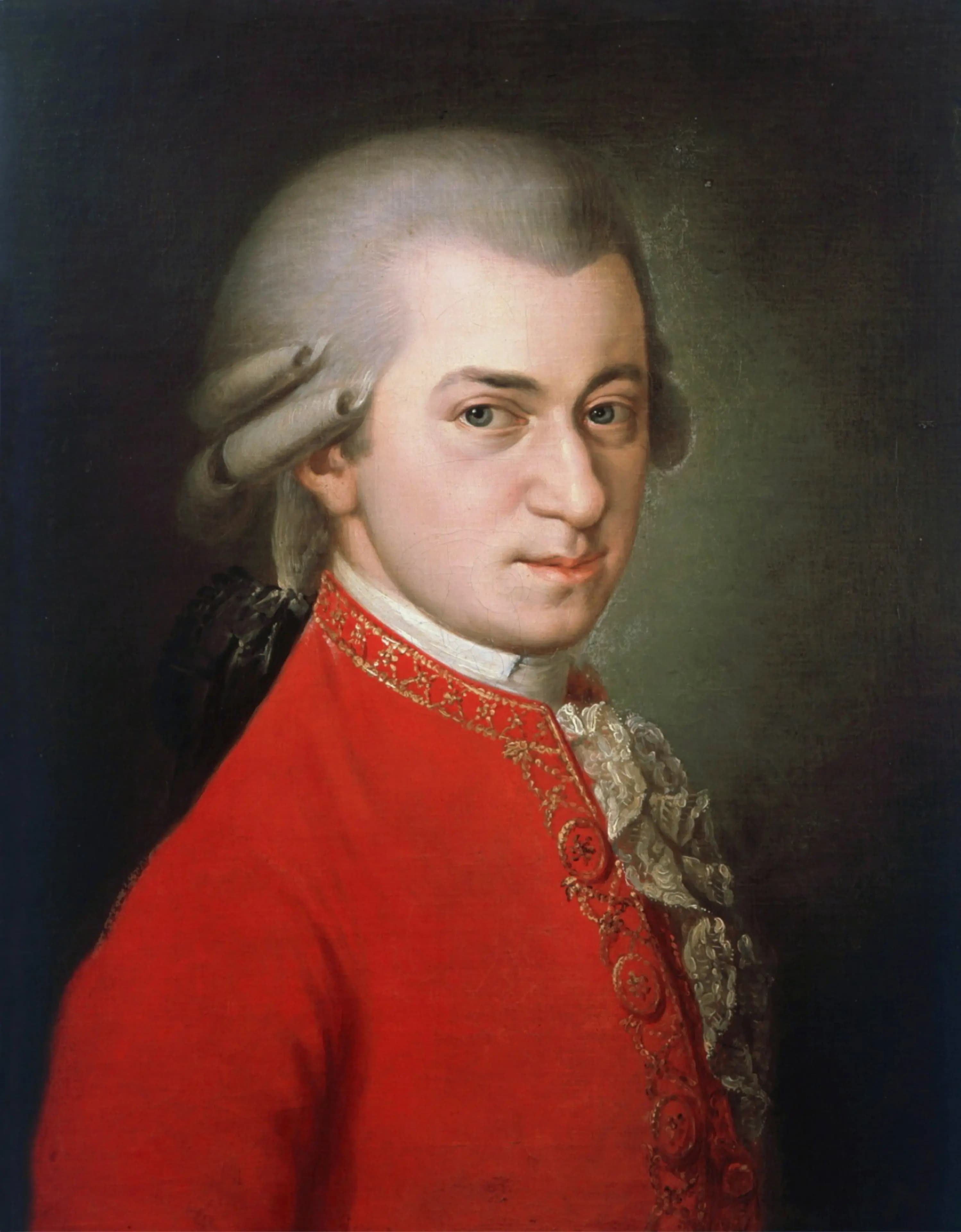
Between 1750 and 1820, music aimed for clarity: tunes you can hum, balanced phrases and forms a listener can follow without effort. It was the time of Haydn, Mozart and the young Beethoven, in Vienna.
The generation after Bach wanted lighter, more direct music. His sons Carl Philipp Emanuel and Johann Christian helped replace the Baroque web of voices with a clear melody over accompaniment. In Mannheim, an orchestra famous for its discipline invented effects that thrilled audiences, such as the long crescendo, in which the sound grows little by little until it bursts.
The Enlightenment ideal of reason and clarity reached music as sonata form: a movement that presents two contrasting themes, develops them and brings them back. This design organised symphonies, quartets, sonatas and concertos for more than a century. The basso continuo disappeared, and the orchestra settled into strings, paired woodwinds, horns, trumpets and timpani.
Joseph Haydn spent almost thirty years serving the Esterházy family at an isolated palace in Hungary. With an orchestra at his disposal he tested ideas and ended up establishing the symphony and the string quartet as genres. When his employer died, he went to London and wrote the twelve London symphonies for packed concert halls.
Wolfgang Amadeus Mozart toured Europe as a child prodigy and settled in Vienna in 1781, one of the first careers of a freelance musician with no permanent employer. He wrote in every genre: The Marriage of Figaro, Don Giovanni and The Magic Flute in opera, piano concertos with himself as soloist, symphonies, and the Requiem he left unfinished when he died at thirty-five.
In these years music left palaces and churches for paid concerts and middle-class homes, where the piano replaced the harpsichord. Ludwig van Beethoven arrived in Vienna in 1792 to study with Haydn. His early works follow the classical models, but his Third Symphony, the Eroica of 1804, is already too long and dramatic to fit them. With him, music starts turning Romantic.
What changed
- 1Sonata formTwo themes, development and return. The design behind the first movement of almost every symphony, sonata and quartet.
- 2The orchestra settlesNo more continuo, woodwinds in pairs, and the clarinet arriving. The base of the modern symphony orchestra.
- 3The piano replaces the harpsichordIt plays loud or soft depending on the touch, and becomes the instrument of home and concert hall.
- 4The public concertPaid tickets, halls open to the middle class, and musicians who live from audiences, not only patrons.
The forms of the era
- Symphony
- An orchestral work in four movements, usually fast, slow, minuet and a quick finale.
- String quartet
- Two violins, viola and cello, talking as equals.
- Piano sonata
- Three or four movements, the first almost always in sonata form.
- Piano concerto
- Soloist and orchestra, with a cadenza in which the soloist plays alone and shows off.
- Opera buffa
- Sung comedy, with everyday characters and plenty of action on stage.
- Theme and variations
- A simple tune, repeated in ever-changing clothes.
Who lived in it
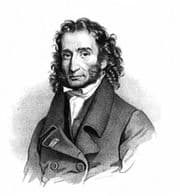
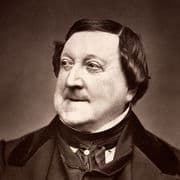
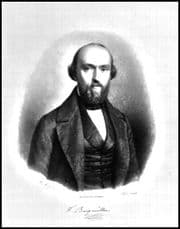
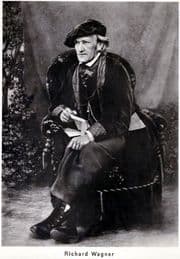
Some composers of the era, on the timeline.


Where to start listening
Works of this era- 01Eine kleine Nachtmusik, K. 525Wolfgang Amadeus MozartA serenade for strings. Classical balance in its purest form.Open the work
- 02Symphony No. 94, “Surprise”Joseph HaydnIn the second movement, a quiet tune and then, suddenly, a very loud chord.Open the work
- 03Symphony No. 40, K. 550Wolfgang Amadeus MozartOne of the most famous opening themes in music. Notice the restlessness underneath.Open the work
- 04Clarinet Concerto, K. 622: AdagioWolfgang Amadeus MozartWritten months before he died, for an instrument he helped bring into the orchestra.Open the work
- 05Piano Sonata No. 8, “Pathétique”Ludwig van BeethovenClassical in form, with a fury that already points to Romanticism.Open the work
Where to start playing
Pieces chosen by the house, at the level rated by the musicians of IMSLP.
Beginner
Intermediate
- Clementi's SonatinasMuzio ClementiSonata form on a small scale: the way into Mozart and Beethoven.
- Sonata facileWolfgang Amadeus MozartMozart noted it as a sonata for beginners, but the clarity it asks for is hard to reach.
- 11 Bagatelles, Op.119Ludwig van BeethovenBrief pieces by Beethoven, each with an idea of its own.
- Horn Concerto in D major, K.412/386bWolfgang Amadeus MozartThe shortest of Mozart's horn concertos.
- Para ElisaLudwig van BeethovenThe theme is famous; the middle sections ask for more than it suggests.
Advanced
- Moonlight SonataLudwig van BeethovenThe Moonlight Sonata: the first movement is the most played, the last is what demands the level.
- Flute Concerto in G major, K.313/285cWolfgang Amadeus MozartThe Mozart concerto every flautist prepares.
- Horn Concerto in E-flat major, K.495Wolfgang Amadeus MozartMozart's concerto with the hunting rondo.
Did you know?
- In his Symphony No. 45, the “Farewell,” Haydn had the musicians snuff out their candles and leave one by one at the end. It was a message to Prince Esterházy: the orchestra wanted to go home after too long a stay at the summer palace.
- At fourteen, in Rome, Mozart heard Allegri’s Miserere in the Sistine Chapel, a piece whose score was not allowed out, and wrote it down from memory afterwards. His father tells the story in a letter.
- The name “Surprise” is not Haydn’s. It came from the London audience, who loved the shock of the loud chord in the slow movement.